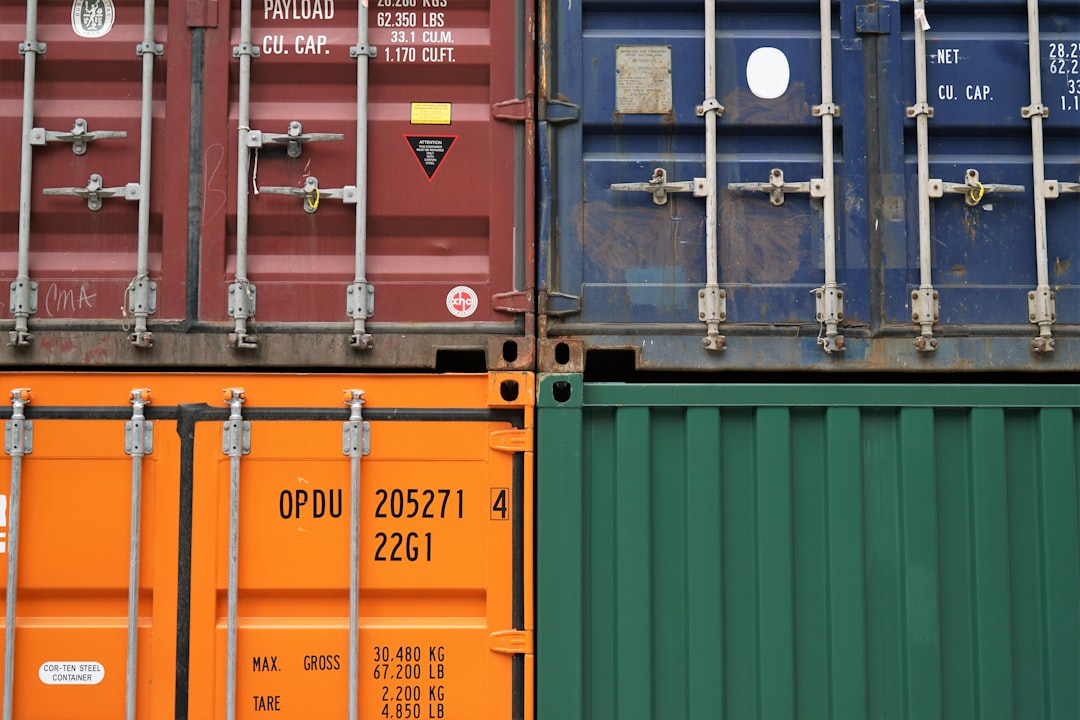

In the ever-evolving landscape of investment strategies, commodities have emerged as a significant asset class that can enhance the performance of a modern portfolio. Commodities, which include physical goods such as oil, gold, agricultural products, and metals, are often viewed as a hedge against inflation and market volatility. As investors seek to diversify their holdings and mitigate risks associated with traditional equities and fixed-income securities, commodities present a compelling option. The unique characteristics of commodities—such as their tangible nature and intrinsic value—make them an attractive addition to a well-rounded investment strategy.
The integration of commodities into a portfolio is not merely a trend; it reflects a deeper understanding of market dynamics and economic cycles. Commodities often exhibit low correlation with stocks and bonds, which can help stabilize returns during periods of market turbulence. Furthermore, the increasing globalization of trade and the growing demand for raw materials in emerging economies have added layers of complexity and opportunity to commodity investments. As investors navigate the complexities of modern financial markets, understanding the role of commodities becomes essential for achieving long-term financial goals.
In addition to exploring the insights presented in "The Role of Commodities in a Modern Portfolio (2026 Update)," investors may find it beneficial to read about strategies for global investment in the article titled "Navigating the Global Market: Essential Tips for International Investing." This resource provides valuable guidance on how to effectively diversify portfolios across international borders, which can complement the understanding of commodities' roles in modern investment strategies. For more information, you can access the article here: Navigating the Global Market: Essential Tips for International Investing.
Key Takeaways
- Commodities offer unique diversification benefits and can reduce overall portfolio risk.
- Historically, commodities have shown variable performance but often perform well during inflationary periods.
- Investing in commodities carries risks such as price volatility and geopolitical influences.
- Commodities serve as an effective hedge against inflation and currency fluctuations.
- ESG factors are increasingly important in commodities investing, shaping future market trends.
Historical Performance of Commodities
The historical performance of commodities reveals a complex narrative shaped by various economic factors, including supply and demand dynamics, geopolitical tensions, and technological advancements. Over the past few decades, commodities have experienced significant price fluctuations, often driven by macroeconomic trends. For instance, the 1970s saw a dramatic surge in oil prices due to OPEC's production cuts, which had far-reaching implications for global economies. Similarly, the 2000s marked a period of robust growth in commodity prices, fueled by China's rapid industrialization and increasing demand for raw materials.
Analyzing specific commodities provides further insight into their historical performance. Gold, often regarded as a safe-haven asset, has demonstrated resilience during economic downturns. For example, during the 2008 financial crisis, gold prices soared as investors flocked to its perceived stability. In contrast, agricultural commodities like corn and wheat have shown more volatility, influenced by weather patterns and crop yields. The historical performance of these assets underscores the importance of understanding the underlying factors that drive commodity prices and how they can impact overall portfolio performance.
Diversification Benefits of Including Commodities in a Portfolio
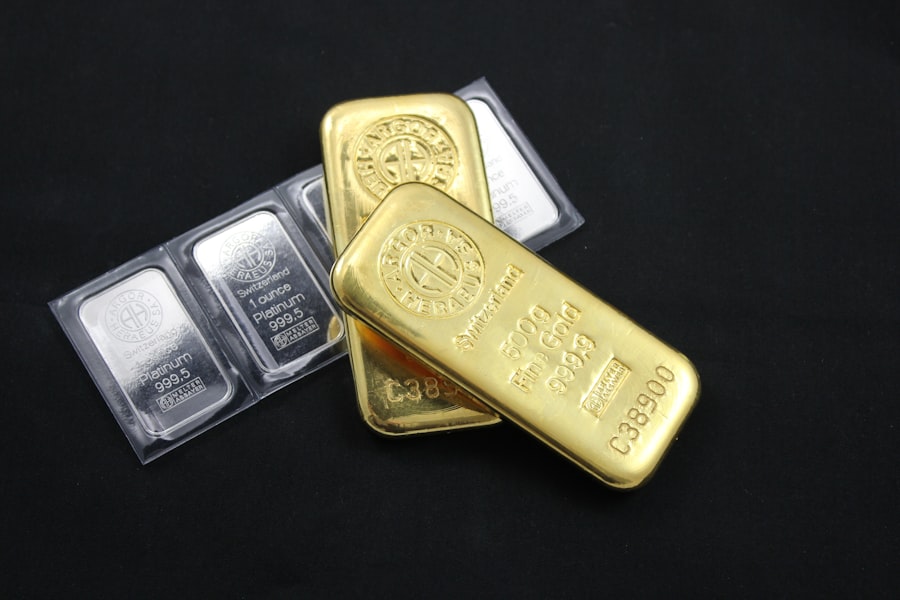
One of the primary advantages of incorporating commodities into an investment portfolio is the diversification benefits they offer. Diversification is a fundamental principle of investing that aims to reduce risk by spreading investments across various asset classes. Commodities typically exhibit low correlation with traditional equities and fixed-income securities, meaning that their price movements do not necessarily follow the same patterns as stocks or bonds. This characteristic can help cushion a portfolio during periods of market volatility.
For instance, during economic downturns when stock markets may decline sharply, commodities such as gold or agricultural products may retain their value or even appreciate. This inverse relationship can provide a buffer against losses in other areas of the portfolio. Additionally, commodities can serve as a hedge against inflation, as their prices often rise in tandem with increasing costs of living. By including commodities in a diversified portfolio, investors can enhance their risk-adjusted returns and create a more resilient investment strategy.
Risks and Challenges Associated with Investing in Commodities
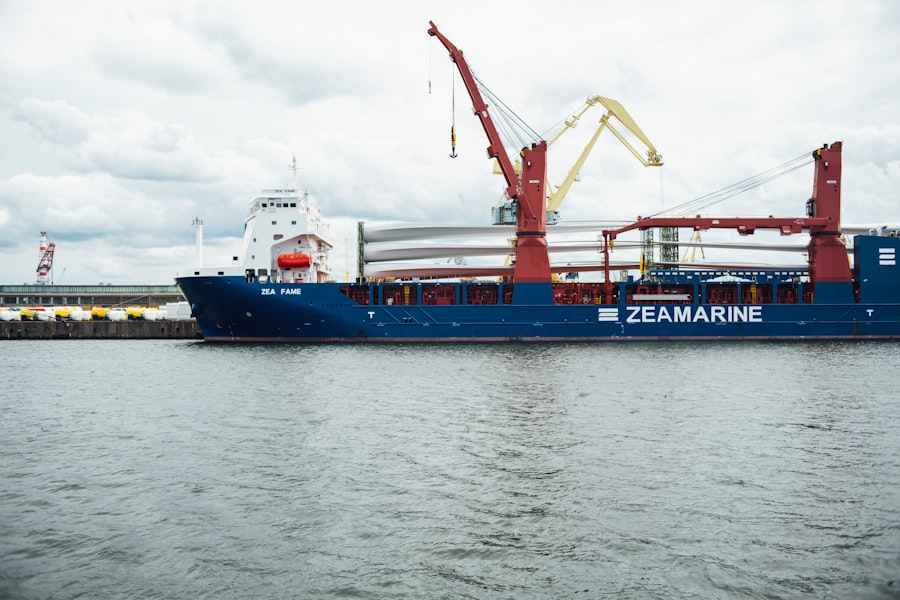
While the potential benefits of investing in commodities are significant, it is essential to recognize the inherent risks and challenges associated with this asset class. One of the primary risks is price volatility. Commodity prices can be influenced by a myriad of factors, including geopolitical events, natural disasters, and changes in government policies. For example, a drought can severely impact agricultural yields, leading to sharp price increases for crops like soybeans or corn. Similarly, geopolitical tensions in oil-producing regions can cause sudden spikes in crude oil prices.
Another challenge is the complexity of investing in commodities directly versus through financial instruments such as futures contracts or exchange-traded funds (ETFs). Direct investment in physical commodities requires storage and insurance considerations, while futures contracts involve leverage and can lead to significant losses if not managed properly. Investors must also be aware of contango and backwardation—market conditions that affect futures pricing—when trading commodity derivatives. Understanding these risks is crucial for investors looking to navigate the commodity markets effectively.
In exploring the evolving landscape of investment strategies, the article on the role of commodities in a modern portfolio highlights their significance in diversification and risk management. For those interested in broadening their investment horizons, a related article discusses the hottest European stocks that could complement a commodity-focused strategy. You can read more about these promising opportunities in the article here. This combination of assets can provide a balanced approach to navigating market volatility.
Role of Commodities in Hedging Against Inflation
| Commodity | 2026 Expected Return (%) | Volatility (%) | Correlation with Equities | Portfolio Allocation Recommendation (%) | Key Role in Portfolio |
|---|---|---|---|---|---|
| Gold | 6.2 | 15.4 | -0.25 | 10 | Inflation hedge and safe haven |
| Crude Oil | 8.5 | 30.1 | 0.45 | 5 | Growth exposure and inflation protection |
| Industrial Metals | 7.0 | 22.0 | 0.35 | 7 | Economic growth indicator |
| Agricultural Commodities | 5.5 | 18.3 | 0.10 | 3 | Diversification and inflation protection |
| Natural Gas | 7.8 | 28.7 | 0.40 | 5 | Energy sector exposure |
Commodities have long been recognized as an effective hedge against inflation, making them an attractive option for investors concerned about rising prices eroding purchasing power. Historically, commodity prices tend to rise during inflationary periods as demand for physical goods increases alongside consumer prices. For instance, during the 1970s stagflation—a period characterized by stagnant economic growth and high inflation—commodities such as gold and oil saw substantial price increases.
Investors often turn to commodities like precious metals and energy resources as a safeguard against inflationary pressures. Gold, in particular, has been viewed as a store of value throughout history. When inflation rises, central banks may respond by increasing interest rates to curb spending; however, this can lead to lower returns on fixed-income investments. In contrast, commodities may appreciate in value during such times, providing a counterbalance to inflationary effects on other asset classes. By incorporating commodities into their portfolios, investors can better position themselves to withstand the erosive effects of inflation.
In exploring the significance of commodities within a modern investment portfolio, it is essential to consider various expert insights that can enhance our understanding.
A related article that delves into valuable investment lessons from professionals can provide a broader perspective on this topic.You can read more about these insights in the article on investment wisdom, which complements the discussion on how commodities can play a pivotal role in achieving diversification and risk management in today's financial landscape.
Impact of Geopolitical Events on Commodities
You can easily estimate your future earnings using the wealth calculator.
Geopolitical events play a pivotal role in shaping commodity markets, often leading to significant price fluctuations that can impact global economies. Political instability in oil-producing regions can lead to supply disruptions that drive up crude oil prices. For example, tensions in the Middle East have historically resulted in spikes in oil prices due to fears of supply shortages. The 1990 Gulf War is a prime example; oil prices surged as conflict erupted in Iraq, highlighting how geopolitical events can create ripples across global markets.
Moreover, trade policies and tariffs can also influence commodity prices. The ongoing trade tensions between major economies like the United States and China have led to uncertainty in agricultural markets, affecting prices for crops such as soybeans and corn. Investors must remain vigilant about geopolitical developments that could impact supply chains and commodity availability. Understanding these dynamics is crucial for making informed investment decisions in the commodity space.
ESG Considerations in Commodities Investing
As environmental, social, and governance (ESG) considerations gain prominence in investment decision-making processes, commodities investing is not exempt from scrutiny. The extraction and production of commodities often raise significant environmental concerns, particularly regarding resource depletion and pollution. For instance, mining operations for metals like copper or lithium can have detrimental effects on local ecosystems if not managed responsibly.
Investors are increasingly seeking ways to align their portfolios with sustainable practices while still gaining exposure to commodities. This has led to the emergence of ESG-focused commodity funds that prioritize responsible sourcing and production methods. For example, some funds may invest exclusively in companies that adhere to strict environmental standards or support renewable energy initiatives. By integrating ESG considerations into commodity investing, investors can contribute to sustainable development while still capitalizing on potential returns from this asset class.
Future Outlook for Commodities in Modern Portfolios
The future outlook for commodities within modern portfolios is shaped by several key trends that are likely to influence demand and pricing dynamics over the coming years. One significant factor is the transition towards renewable energy sources as countries strive to meet climate goals and reduce carbon emissions. This shift is expected to drive demand for certain metals critical to renewable technologies—such as lithium for batteries and copper for electrical infrastructure—potentially leading to increased investment opportunities within these sectors.
Additionally, ongoing global population growth and urbanization are likely to sustain demand for agricultural commodities as food production must keep pace with rising consumption needs. As emerging economies continue to develop, their appetite for raw materials will likely remain robust. However, investors must also remain cognizant of potential headwinds such as regulatory changes aimed at curbing fossil fuel consumption or shifts in consumer preferences towards sustainable products.
In conclusion, while the landscape for commodities investing presents both opportunities and challenges, their role in modern portfolios remains significant. As investors seek diversification and protection against inflationary pressures, understanding the complexities of this asset class will be crucial for navigating future market conditions effectively.
Learn more about the 1-Hour Millionaire System