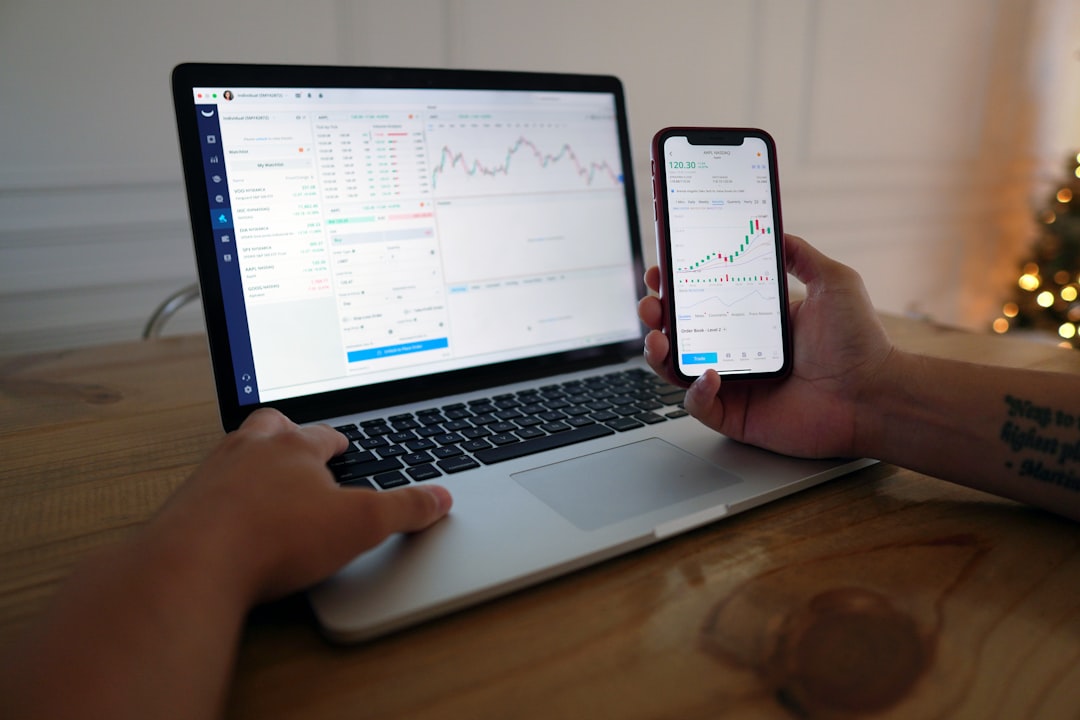

The distinction between trading and investing is fundamental to the world of finance, yet it is often misunderstood by newcomers. At its core, trading involves the frequent buying and selling of financial instruments, such as stocks, bonds, or commodities, with the aim of capitalizing on short-term market fluctuations. Traders typically operate on shorter time frames, ranging from seconds to days, and their strategies are often based on technical analysis, which involves studying price movements and trading volumes. For instance, a day trader might buy shares of a tech company in the morning and sell them by the afternoon, hoping to profit from intraday price movements.
In contrast, investing is characterized by a long-term approach where individuals purchase assets with the expectation that they will appreciate over time. Investors focus on the fundamental value of a company or asset, often analyzing financial statements, market conditions, and economic indicators to make informed decisions. For example, an investor might buy shares of a well-established company like Coca-Cola, intending to hold onto them for several years or even decades, benefiting from both capital appreciation and dividends. This fundamental difference in approach highlights not only the time commitment involved but also the psychological and strategic frameworks that underpin each activity.
If you're exploring the differences between being a trader and an investor, you might find it beneficial to read a related article that discusses the hottest European stocks to consider for your portfolio. This article provides insights into potential investment opportunities that could align with your financial goals, whether you lean more towards trading or investing. You can check it out here: From London to Paris: The Hottest European Stocks to Add to Your Portfolio.
Key Takeaways
- Trading focuses on short-term market movements, while investing targets long-term growth.
- Traders require a mindset geared towards quick decision-making and risk management.
- Investors prioritize patience, steady growth, and long-term financial goals.
- Time horizon and risk tolerance are crucial in determining whether trading or investing suits an individual.
- Regular monitoring and strategy adjustments are essential for success in both trading and investing.
The Mindset of a Trader
The mindset of a trader is often marked by a high level of adaptability and quick decision-making. Traders must be able to react swiftly to market changes, which requires a keen awareness of market trends and an ability to interpret data rapidly. This environment can be exhilarating but also stressful, as traders face the constant pressure of making split-second decisions that can lead to significant financial gains or losses. A successful trader often possesses a strong sense of discipline, adhering to their trading plan even when emotions run high. For instance, a trader might set specific entry and exit points for a trade based on technical indicators and must resist the temptation to deviate from this plan due to fear or greed.
Moreover, traders often cultivate a mindset that embraces risk. They understand that losses are an inherent part of trading and develop strategies to manage these risks effectively. This might involve using stop-loss orders to limit potential losses or diversifying their portfolios to spread risk across different assets. The ability to maintain composure in the face of volatility is crucial; traders must learn not only to celebrate their wins but also to analyze their losses objectively. This reflective practice allows them to refine their strategies continuously and improve their performance over time.
The Mindset of an Investor
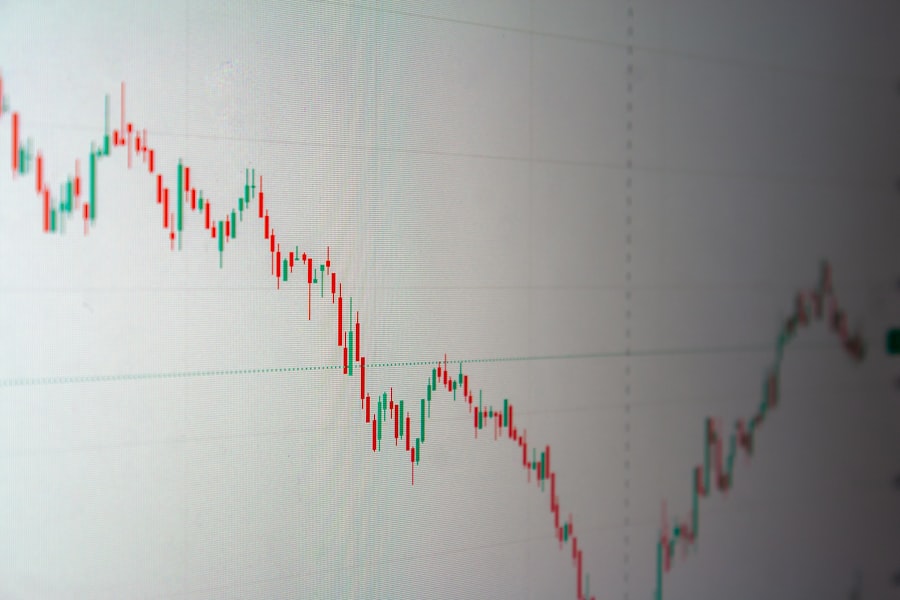
In contrast to traders, investors typically adopt a more patient and long-term perspective. The investor's mindset is rooted in the belief that markets can be irrational in the short term but tend to reflect true value over longer periods. This perspective allows investors to weather market fluctuations without succumbing to panic or impulsive decisions. For example, during a market downturn, an investor who believes in the long-term potential of their holdings may choose to hold onto their investments rather than sell at a loss, viewing the dip as an opportunity to buy more shares at a lower price.
Investors also tend to focus on building wealth gradually through compounding returns. They often prioritize research and analysis over rapid execution, seeking out companies with strong fundamentals, competitive advantages, and growth potential. This approach requires a deep understanding of market dynamics and economic indicators, as well as a commitment to ongoing education about investment strategies. An investor might spend considerable time analyzing quarterly earnings reports or industry trends before making a decision, reflecting their dedication to informed decision-making rather than impulsive trading.
Time Horizon and Risk Tolerance
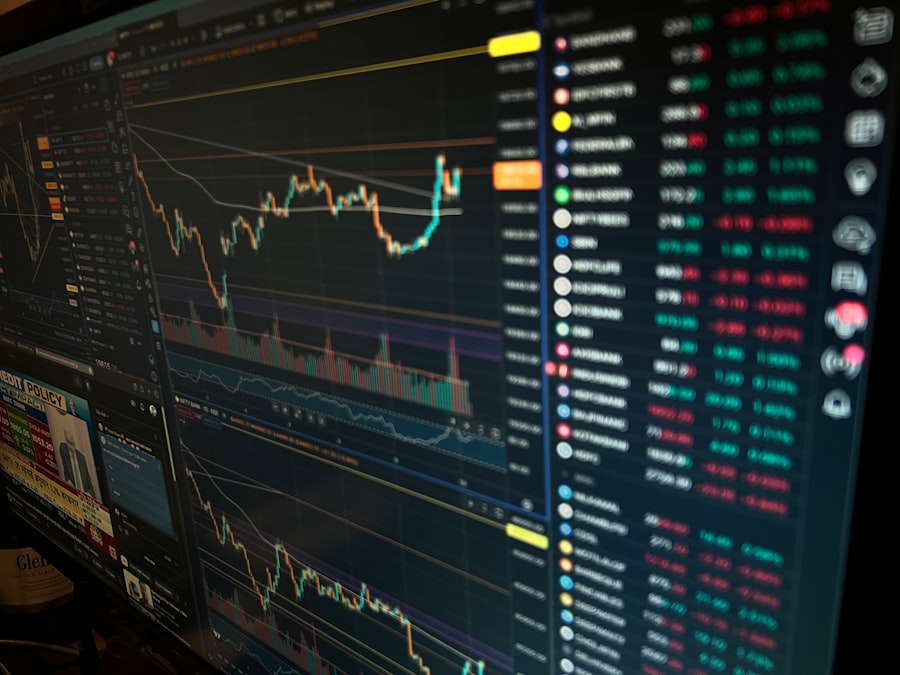
Time horizon is a critical factor that differentiates traders from investors. Traders typically operate on much shorter time frames, often executing multiple trades within a single day or week. Their strategies are designed to capitalize on immediate market movements, which necessitates a high level of engagement with real-time data and market news. In contrast, investors usually adopt a longer time horizon, often spanning several years or even decades. This long-term perspective allows them to ride out market volatility and benefit from the compounding effect of returns over time.
Risk tolerance also plays a significant role in shaping the approaches of traders and investors. Traders often have a higher risk tolerance due to the nature of their activities; they are accustomed to dealing with rapid price fluctuations and potential losses on a regular basis. This acceptance of risk is essential for success in trading, as it enables them to take calculated risks in pursuit of short-term gains. Conversely, investors typically exhibit a lower risk tolerance, focusing on preserving capital while seeking steady growth. They may prefer investments that offer stability and dividends rather than high-risk assets that could lead to significant losses.
If you're trying to determine whether you align more with being a trader or an investor, you might find it helpful to explore additional resources that delve into investment strategies. One such article discusses various techniques to enhance your investment confidence, providing insights that can be beneficial regardless of your approach. You can read more about these strategies for success in the article here. Understanding these concepts can help you make more informed decisions in your financial journey.
Goals and Objectives
| Aspect | Trader | Investor |
|---|---|---|
| Time Horizon | Short-term (minutes to months) | Long-term (years to decades) |
| Goal | Profit from market fluctuations | Build wealth through asset appreciation and dividends |
| Risk Tolerance | Higher risk, frequent trades | Moderate to low risk, buy and hold |
| Analysis Method | Technical analysis, charts, patterns | Fundamental analysis, company financials |
| Activity Level | Active, daily monitoring | Passive, periodic review |
| Emotional Impact | High stress due to rapid decisions | Lower stress, long-term perspective |
| Typical Instruments | Stocks, options, futures, forex | Stocks, bonds, mutual funds, ETFs |
| Capital Requirements | Can start with smaller capital but needs margin | Usually requires larger capital for diversification |
| Tax Implications | Short-term capital gains tax | Long-term capital gains tax (usually lower) |
The goals and objectives of traders and investors are inherently different due to their distinct approaches to financial markets. Traders often aim for quick profits through short-term price movements, setting specific targets for each trade based on technical analysis and market sentiment. Their objectives may include achieving a certain percentage return within a defined period or generating consistent income through frequent trades. For instance, a trader might set a goal of achieving a 2% return on investment each day by executing multiple trades throughout the trading session.
On the other hand, investors typically focus on long-term wealth accumulation and financial security.
Their goals may include saving for retirement, funding education for children, or building generational wealth.Investors often set objectives based on their financial needs and life stages, such as accumulating enough assets to retire comfortably or ensuring that their investments can withstand economic downturns. This long-term focus influences their choice of assets; they may prioritize stocks with strong growth potential or bonds that provide steady income over time.
Strategies and Techniques
You can easily estimate your future earnings using the wealth calculator.
The strategies employed by traders and investors reflect their differing mindsets and objectives. Traders often utilize technical analysis tools such as charts, indicators, and patterns to identify entry and exit points for trades. They may employ strategies like scalping, where they make numerous small trades throughout the day to capture minor price movements, or swing trading, which involves holding positions for several days or weeks to profit from larger price swings. For example, a trader might use moving averages to determine when to buy or sell based on historical price trends.
In contrast, investors typically rely on fundamental analysis to guide their decisions. They assess a company's financial health by examining metrics such as earnings per share (EPS), price-to-earnings (P/E) ratios, and return on equity (ROE). Investors may also consider macroeconomic factors like interest rates and inflation when evaluating potential investments. A common strategy among investors is value investing, where they seek undervalued stocks with strong fundamentals that are likely to appreciate over time. For instance, an investor might identify a company with solid earnings but a low stock price due to temporary market conditions, viewing it as an opportunity for long-term growth.
Monitoring and Adjusting
Monitoring performance is essential for both traders and investors but takes different forms depending on their strategies. Traders must constantly track market movements and adjust their positions in real-time based on changing conditions. This requires access to advanced trading platforms that provide live data feeds and analytical tools. A trader might use alerts or automated trading systems to execute trades when specific criteria are met, ensuring they capitalize on opportunities as they arise.
Investors, while also monitoring their portfolios, tend to do so less frequently than traders. They may review their investments quarterly or annually rather than daily or weekly. Investors focus on long-term performance metrics rather than short-term fluctuations; they assess whether their investments align with their overall financial goals and make adjustments accordingly. For example, if an investor's portfolio becomes too heavily weighted in one sector due to significant gains in that area, they may choose to rebalance by selling some shares and reallocating funds into underrepresented sectors.
Choosing the Right Path for You
Deciding whether to pursue trading or investing depends on various personal factors including risk tolerance, time commitment, financial goals, and personality traits. Individuals who thrive in fast-paced environments and enjoy making quick decisions may find trading more appealing. The excitement of capitalizing on short-term market movements can be exhilarating for those who possess the necessary skills and discipline.
Conversely, those who prefer a more measured approach may gravitate toward investing. Individuals who value stability and long-term growth might find satisfaction in researching companies and building a diversified portfolio over time. Ultimately, understanding one’s own financial objectives and lifestyle preferences is crucial in determining which path aligns best with personal aspirations in the financial markets. Whether one chooses trading or investing, both paths offer unique opportunities for wealth creation but require distinct mindsets and strategies tailored to individual circumstances.
Learn more about the 1-Hour Millionaire System