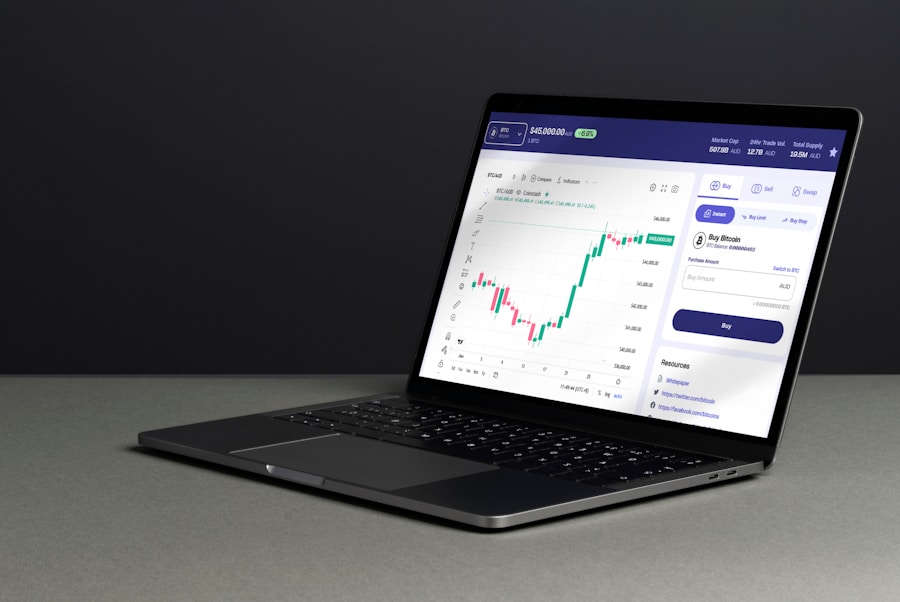

In today's fast-paced and ever-changing investment landscape, investors are constantly seeking ways to streamline their processes and make more informed decisions. One way to achieve this is through the use of automation tools. These tools are designed to help investors automate various aspects of their investment strategy, from portfolio management to research and analysis. By leveraging automation tools, investors can save time, reduce human error, and ultimately make more efficient and profitable investment decisions.
Automation tools come in various forms, including robo-advisors, portfolio management software, and research and analysis tools. These tools are designed to help investors automate repetitive tasks, such as rebalancing a portfolio, analyzing market trends, and optimizing tax strategies. By utilizing these tools, investors can free up time to focus on more strategic aspects of their investment strategy, such as identifying new opportunities and managing risk. In this article, we will explore the benefits of using automation tools for investment, the future of investment management with robo-advisors, the top automation tools for portfolio management, and tools for automating research and analysis. We will also discuss tax optimization and reporting automation tools for investors, and conclude with the importance of embracing automation for a more efficient investment strategy.
Benefits of Using Automation Tools for Investment
There are numerous benefits to using automation tools for investment. One of the most significant benefits is the ability to save time. By automating repetitive tasks, such as portfolio rebalancing and tax optimization, investors can free up valuable time to focus on more strategic aspects of their investment strategy. This can lead to better decision-making and ultimately, more profitable investments.
Another benefit of using automation tools is the reduction of human error. When it comes to managing a portfolio or analyzing market trends, human error can be costly. Automation tools can help minimize the risk of errors by executing tasks with precision and accuracy. This can lead to more consistent and reliable investment outcomes.
Furthermore, automation tools can help investors stay organized and informed. By automating tasks such as research and analysis, investors can access real-time data and insights that can inform their investment decisions. This can help investors stay ahead of market trends and identify new opportunities more quickly.
Overall, the benefits of using automation tools for investment are clear. By saving time, reducing human error, and staying organized and informed, investors can make more efficient and profitable investment decisions.
Robo-Advisors: The Future of Investment Management
Robo-advisors are a type of automation tool that is revolutionizing the way investors manage their portfolios. These digital platforms use algorithms to automate investment decisions based on a client's financial goals and risk tolerance. Robo-advisors have gained popularity in recent years due to their low fees, accessibility, and ease of use.
One of the key benefits of robo-advisors is their ability to provide personalized investment advice at a fraction of the cost of traditional financial advisors. By leveraging technology and automation, robo-advisors can offer tailored investment strategies that are based on a client's individual financial situation and goals. This can help investors achieve a more diversified and balanced portfolio without the high fees associated with traditional financial advisors.
Another benefit of robo-advisors is their accessibility. These platforms are typically user-friendly and can be accessed from anywhere with an internet connection. This makes it easier for investors to manage their portfolios on-the-go and stay informed about their investments in real-time.
Overall, robo-advisors represent the future of investment management. By leveraging technology and automation, these platforms offer personalized investment advice at a fraction of the cost of traditional financial advisors, making them an attractive option for investors looking to streamline their investment strategy.
The Top Automation Tools for Portfolio Management
When it comes to portfolio management, there are several automation tools that investors can leverage to streamline their processes. One popular tool is portfolio management software, which is designed to help investors track and manage their investments in one centralized platform. These software solutions often offer features such as portfolio tracking, performance analysis, and risk assessment, making it easier for investors to monitor their investments and make informed decisions.
Another automation tool for portfolio management is rebalancing software. This type of tool is designed to help investors maintain a balanced and diversified portfolio by automatically adjusting asset allocations based on predefined criteria. By automating the rebalancing process, investors can ensure that their portfolios remain aligned with their investment goals and risk tolerance without having to manually adjust their holdings.
Additionally, tax optimization software is another valuable automation tool for portfolio management. This type of tool is designed to help investors minimize their tax liabilities by automating tax-loss harvesting, optimizing capital gains, and generating tax reports. By leveraging tax optimization software, investors can ensure that they are maximizing their after-tax returns and staying compliant with tax regulations.
Overall, there are several automation tools available for portfolio management that can help investors streamline their processes and make more informed decisions. From portfolio management software to rebalancing software and tax optimization tools, these automation tools offer valuable features that can help investors manage their portfolios more efficiently.
Automating Research and Analysis: Tools for Efficient Decision Making
Research and analysis are critical components of the investment process, but they can also be time-consuming and labor-intensive. Fortunately, there are several automation tools available that can help investors streamline their research and analysis processes.
One popular automation tool for research and analysis is data analytics software. This type of tool is designed to help investors analyze large volumes of data to identify trends, patterns, and insights that can inform their investment decisions. By leveraging data analytics software, investors can access real-time data and insights that can help them stay ahead of market trends and identify new opportunities more quickly.
Another valuable automation tool for research and analysis is algorithmic trading software. This type of tool is designed to help investors execute trades based on predefined criteria without human intervention. By automating the trading process, investors can take advantage of market opportunities more quickly and efficiently.
Additionally, machine learning software is another valuable automation tool for research and analysis. This type of tool is designed to help investors identify patterns in data and make predictions about future market movements. By leveraging machine learning software, investors can gain valuable insights that can inform their investment decisions.
Overall, there are several automation tools available for research and analysis that can help investors make more efficient and informed decisions. From data analytics software to algorithmic trading software and machine learning tools, these automation tools offer valuable features that can help investors stay ahead of market trends and identify new opportunities more quickly.
Tax Optimization and Reporting Automation Tools for Investors
Tax optimization is an important aspect of investment management that can have a significant impact on an investor's after-tax returns. Fortunately, there are several automation tools available that can help investors minimize their tax liabilities and stay compliant with tax regulations.
One popular automation tool for tax optimization is tax optimization software. This type of tool is designed to help investors minimize their tax liabilities by automating tax-loss harvesting, optimizing capital gains, and generating tax reports. By leveraging tax optimization software, investors can ensure that they are maximizing their after-tax returns while staying compliant with tax regulations.
Another valuable automation tool for tax optimization is tax reporting software. This type of tool is designed to help investors generate accurate and comprehensive tax reports that can be used for tax filing purposes. By automating the tax reporting process, investors can save time and reduce the risk of errors associated with manual reporting.
Additionally, tax compliance software is another valuable automation tool for tax optimization. This type of tool is designed to help investors stay compliant with tax regulations by automating tasks such as calculating tax liabilities, filing tax returns, and maintaining accurate records. By leveraging tax compliance software, investors can ensure that they are meeting their tax obligations while minimizing the risk of errors.
Overall, there are several automation tools available for tax optimization that can help investors minimize their tax liabilities and stay compliant with tax regulations. From tax optimization software to tax reporting software and tax compliance tools, these automation tools offer valuable features that can help investors maximize their after-tax returns.
Embracing Automation for a More Efficient Investment Strategy
In conclusion, automation tools offer numerous benefits for investors looking to streamline their investment strategy. From saving time and reducing human error to staying organized and informed, these tools can help investors make more efficient and profitable investment decisions.
Robo-advisors represent the future of investment management by offering personalized investment advice at a fraction of the cost of traditional financial advisors. Additionally, there are several automation tools available for portfolio management that can help investors track and manage their investments more efficiently.
When it comes to research and analysis, there are several automation tools available that can help investors access real-time data and insights that can inform their investment decisions. Furthermore, there are several automation tools available for tax optimization that can help investors minimize their tax liabilities while staying compliant with tax regulations.
Overall, embracing automation is essential for investors looking to achieve a more efficient investment strategy. By leveraging automation tools, investors can save time, reduce human error, stay organized and informed, and ultimately make more profitable investment decisions. As technology continues to advance, it's clear that automation will play an increasingly important role in the future of investment management.