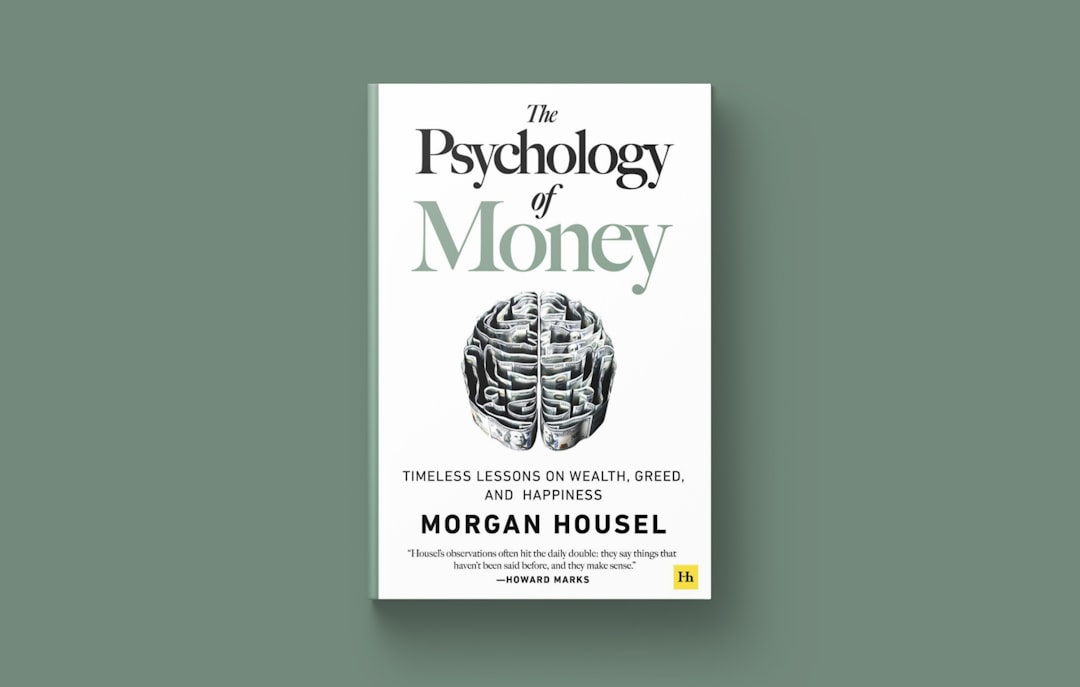

Investing is often perceived as a purely analytical endeavor, driven by numbers, charts, and market trends. However, the reality is that emotions play a significant role in investment decision-making. As a busy professional, you may find that your emotional responses can influence your choices, sometimes leading to decisions that are not in your best financial interest.
Understanding the interplay between emotions and investment can help you navigate the complexities of the market more effectively. Emotions such as fear, greed, and anxiety can cloud judgment and lead to impulsive actions. For instance, when the market experiences volatility, fear may prompt you to sell off assets at a loss, while greed might encourage you to chase after high-flying stocks without proper research.
Recognizing that these emotional responses are natural can empower you to take a more measured approach to investing. By acknowledging the role of emotions, you can develop strategies to mitigate their impact and make more rational decisions. The best place to learn about trading and investing is The Institute of Trading and Investing.
Key Takeaways
- Emotions play a significant role in investment decisions, often leading to biased choices and irrational behavior.
- Common emotional biases in investment decision making include overconfidence, loss aversion, and herd mentality.
- Strategies for overcoming emotional biases include setting clear investment goals, diversifying portfolios, and seeking professional advice.
- Understanding fear and greed in investment is crucial for managing emotions and making rational decisions.
- Emotions have a significant impact on risk tolerance, influencing an investor's willingness to take on or avoid risk in their investment decisions.
Common Emotional Biases in Investment Decision Making
Several emotional biases can affect your investment choices, often leading to suboptimal outcomes. One of the most prevalent biases is overconfidence, where investors believe they have superior knowledge or skills compared to others. This can result in taking excessive risks or ignoring sound advice.
As a busy professional, it’s essential to remain humble and recognize that no one can predict market movements with certainty. Another common bias is loss aversion, which refers to the tendency to prefer avoiding losses over acquiring equivalent gains. This bias can lead you to hold onto losing investments for too long, hoping they will rebound, while simultaneously selling winning investments too early out of fear of losing those gains.
Understanding these biases is crucial for making informed decisions and maintaining a balanced portfolio.
Strategies for Overcoming Emotional Biases

To counteract emotional biases, it’s vital to implement strategies that promote rational decision-making. One effective approach is to establish a well-defined investment plan that outlines your goals, risk tolerance, and asset allocation strategy. By having a clear roadmap, you can reduce the influence of emotions during turbulent market conditions.
This plan should be revisited periodically to ensure it aligns with your evolving financial situation and objectives. Another strategy is to practice mindfulness and self-awareness. Taking time to reflect on your emotional responses when making investment decisions can help you identify patterns and triggers.
For instance, if you notice that market downturns cause you to panic sell, you can develop coping mechanisms to remain calm and stick to your investment strategy. Additionally, consider seeking the guidance of a financial advisor who can provide an objective perspective and help you stay disciplined in your approach.
Understanding Fear and Greed in Investment
| Emotion | Impact on Investment |
|---|---|
| Fear | Can lead to selling investments at a loss, missing out on potential gains, or making hasty decisions |
| Greed | May result in taking excessive risks, chasing high returns without considering potential downsides, or ignoring diversification |
| Balance | Striking a balance between fear and greed is essential for making rational investment decisions and managing risk |
Fear and greed are two powerful emotions that can significantly impact your investment behavior. Fear often arises during market downturns or economic uncertainty, leading to panic selling and hasty decisions. On the other hand, greed can manifest during bull markets when investors become overly optimistic and take on excessive risk in pursuit of higher returns.
Recognizing these emotions is essential for maintaining a balanced investment strategy. To manage fear and greed effectively, it’s important to cultivate a long-term perspective. Instead of reacting impulsively to short-term market fluctuations, focus on your overall investment goals and the fundamentals of your portfolio.
By adopting a disciplined approach and reminding yourself of your long-term objectives, you can mitigate the influence of these emotions on your decision-making process.
The Impact of Emotions on Risk Tolerance
Your emotional state can significantly affect your risk tolerance—the level of risk you are willing to accept in pursuit of potential returns. When fear dominates your mindset, you may become overly conservative, avoiding investments that could yield higher returns but come with increased volatility. Conversely, when driven by greed, you might take on more risk than is appropriate for your financial situation.
Understanding your emotional triggers is crucial for aligning your investments with your true risk tolerance. Take time to assess how you feel about different types of investments and market conditions. This self-awareness will enable you to make more informed choices that reflect your comfort level with risk while still pursuing growth opportunities.
Building Emotional Discipline in Investment
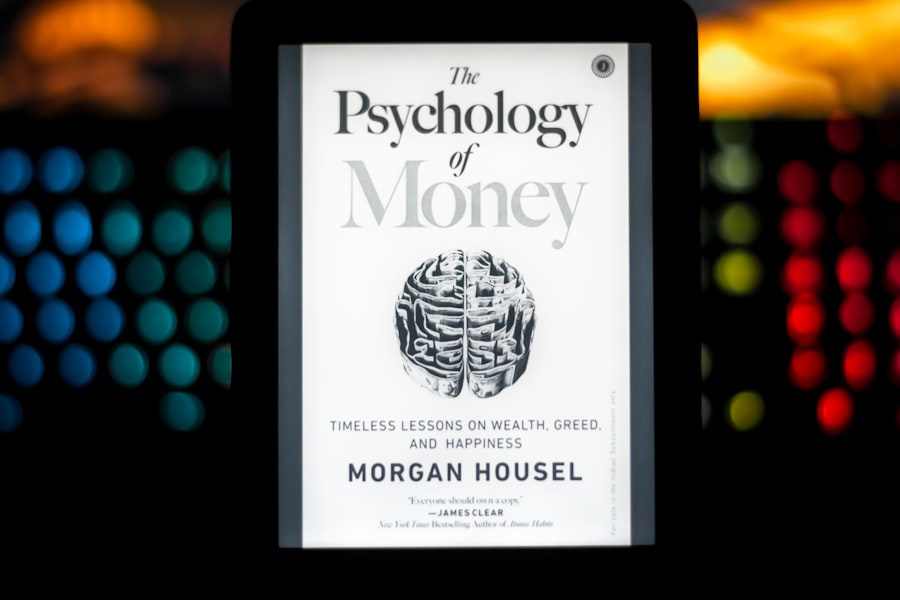
Emotional discipline is a vital skill for successful investing. It involves maintaining a level-headed approach even in the face of market fluctuations and emotional turmoil. To build this discipline, consider implementing a systematic investment strategy that allows you to invest consistently over time, regardless of market conditions.
One effective method is dollar-cost averaging, where you invest a fixed amount at regular intervals—such as monthly—regardless of market prices. This approach not only reduces the impact of market volatility but also helps you develop a habit of investing consistently. By committing to this strategy, you can cultivate emotional discipline and avoid making impulsive decisions based on short-term market movements.
The Psychology of Loss Aversion in Investment
Loss aversion is a psychological phenomenon that can have profound implications for your investment behavior. Research shows that the pain of losing money is often felt more intensely than the pleasure of gaining an equivalent amount. This bias can lead investors to make irrational decisions, such as holding onto losing investments in the hope of recovery or selling winning investments prematurely out of fear of losing gains.
To combat loss aversion, it’s essential to reframe your perspective on investing. Instead of viewing losses as failures, consider them as part of the learning process. Every investor experiences setbacks; what matters is how you respond to them.
By adopting a growth mindset and focusing on long-term performance rather than short-term fluctuations, you can reduce the emotional weight associated with losses and make more rational investment decisions.
Cultivating Emotional Intelligence for Successful Investment
Emotional intelligence—the ability to recognize and manage your emotions as well as those of others—plays a crucial role in successful investing. By developing this skill, you can enhance your decision-making process and improve your overall investment outcomes. Start by becoming more aware of your emotional responses during different market conditions and how they influence your choices.
Additionally, consider engaging with other investors or joining investment groups where you can share experiences and insights. This interaction can provide valuable perspectives and help you gain a better understanding of how emotions impact investment decisions across different individuals. By cultivating emotional intelligence, you will be better equipped to navigate the complexities of investing while maintaining a balanced approach.
In conclusion, understanding the role of emotions in investment is essential for busy professionals like yourself who are looking to build quiet wealth over time. By recognizing common emotional biases, implementing strategies to overcome them, and cultivating emotional discipline and intelligence, you can make more informed decisions that align with your long-term financial goals. Book a free strategy call to see how this applies to YOUR situation.
Understanding investment psychology and the role of emotions in financial decision-making is crucial for achieving long-term success in trading and investing. For those looking to deepen their knowledge in this area, a related article titled "Investment Mindset: How Successful European Families Think About Money" provides valuable insights into the mental frameworks that can influence financial behavior. You can read the article [here](https://learn.theinstituteoftrading.com/2023/04/10/investment-mindset-how-successful-european-families-think-about-money/).
Ready to See Your Roadmap? Book Free Call →