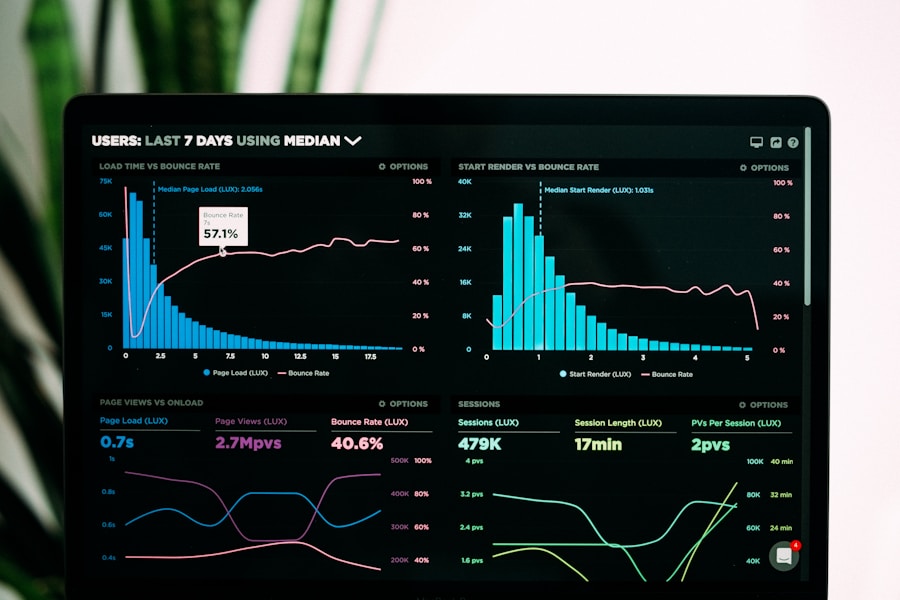

Performance tracking is a crucial aspect of managing your investments. By keeping a close eye on the performance of your investments, you can gain valuable insights into how your portfolio is performing and make informed decisions about your investment strategy. Tracking performance allows you to monitor the success of your investments over time, identify trends and patterns, and evaluate the impact of market changes on your portfolio. Without performance tracking, you may be left in the dark about the effectiveness of your investment strategy and miss out on opportunities to maximize returns and minimize risks.
Furthermore, performance tracking provides you with a clear picture of how your investments are performing relative to your financial goals. Whether you are saving for retirement, a major purchase, or simply looking to grow your wealth, performance tracking allows you to assess whether your investments are on track to meet your objectives. By understanding the importance of performance tracking, you can take a proactive approach to managing your investments and make adjustments as needed to ensure that you are on the path to financial success.
Identifying Trends and Patterns in Your Investments
One of the key benefits of performance tracking is the ability to identify trends and patterns in your investments. By analyzing the performance data of your portfolio, you can gain valuable insights into how different assets are performing and identify any recurring patterns or trends. For example, you may notice that certain sectors or industries consistently outperform others, or that certain assets tend to perform well during specific market conditions. By identifying these trends and patterns, you can make informed decisions about where to allocate your investments and capitalize on opportunities for growth.
Additionally, by identifying trends and patterns in your investments, you can also spot potential areas of weakness or underperformance. This allows you to take proactive measures to address any issues and make adjustments to your investment strategy as needed. By staying vigilant and regularly analyzing the performance data of your investments, you can stay ahead of the curve and position yourself for success in the ever-changing financial markets.
Making Informed Decisions Based on Performance Data
Performance tracking provides you with the data and insights needed to make informed decisions about your investments. By closely monitoring the performance of your portfolio, you can assess the success of your current investment strategy and make adjustments as needed. For example, if certain assets are consistently underperforming, you may decide to reallocate your investments to more promising opportunities. On the other hand, if certain assets are consistently outperforming, you may choose to increase your exposure to those assets to capitalize on their success.
Furthermore, performance tracking allows you to evaluate the impact of any changes or adjustments you make to your investment strategy. By comparing the performance data before and after making changes, you can assess whether your decisions have had a positive or negative impact on your portfolio. This allows you to fine-tune your investment strategy over time and make decisions that are based on data rather than speculation.
Monitoring the Effectiveness of Your Investment Strategy
Another important aspect of performance tracking is monitoring the effectiveness of your investment strategy. By regularly analyzing the performance data of your portfolio, you can assess whether your current investment strategy is helping you achieve your financial goals. For example, if your goal is to achieve a certain level of return within a specific time frame, performance tracking allows you to evaluate whether your investments are on track to meet that objective.
Additionally, monitoring the effectiveness of your investment strategy allows you to identify any areas for improvement or optimization. By analyzing the performance data of your portfolio, you can pinpoint any weaknesses or underperforming assets and take proactive measures to address them. This may involve reallocating your investments, diversifying your portfolio, or making other strategic adjustments to improve the overall performance of your investments.
Evaluating the Impact of Market Changes on Your Portfolio
Performance tracking also allows you to evaluate the impact of market changes on your portfolio. The financial markets are constantly evolving, and external factors such as economic conditions, geopolitical events, and industry trends can all have an impact on the performance of your investments. By closely monitoring the performance data of your portfolio, you can assess how these market changes are affecting your investments and make informed decisions about how to respond.
For example, if a particular sector or industry is experiencing a downturn, performance tracking allows you to evaluate how this is impacting the performance of any related assets in your portfolio. This may prompt you to consider reallocating your investments to more promising opportunities or taking other measures to mitigate any potential losses. By evaluating the impact of market changes on your portfolio, you can stay ahead of market trends and position yourself for success in any market environment.
Maximizing Returns and Minimizing Risks through Performance Tracking
One of the primary goals of performance tracking is to maximize returns and minimize risks in your investments. By closely monitoring the performance data of your portfolio, you can identify opportunities for growth and capitalize on them to achieve higher returns. Additionally, by analyzing the performance data, you can also identify any potential risks or areas of weakness in your portfolio and take proactive measures to mitigate them.
For example, if certain assets are consistently underperforming or exhibiting high levels of volatility, performance tracking allows you to identify these risks and take steps to address them. This may involve diversifying your portfolio, reallocating your investments, or making other strategic adjustments to minimize potential losses. By maximizing returns and minimizing risks through performance tracking, you can position yourself for long-term financial success and achieve your investment objectives.
Utilizing Performance Tracking Tools and Resources for Success
In today's digital age, there are a wide variety of performance tracking tools and resources available to help investors manage their portfolios effectively. These tools provide investors with access to real-time performance data, advanced analytics, and other valuable insights that can help inform their investment decisions. Whether you are a seasoned investor or just starting out, utilizing performance tracking tools and resources can help you stay informed about how your investments are performing and make informed decisions about how to manage them.
For example, many brokerage platforms offer robust performance tracking tools that allow investors to monitor the performance of their portfolios in real-time, analyze historical data, and gain insights into how different assets are performing. Additionally, there are also third-party tools and resources available that provide advanced analytics and other valuable insights into investment performance. By utilizing these tools and resources, investors can gain a deeper understanding of their investments and make more informed decisions about how to manage them effectively.
In conclusion, performance tracking is a critical aspect of managing investments effectively. By closely monitoring the performance data of your portfolio, you can identify trends and patterns, make informed decisions about your investments, monitor the effectiveness of your investment strategy, evaluate the impact of market changes on your portfolio, maximize returns and minimize risks, and utilize performance tracking tools and resources for success. By understanding the importance of performance tracking and utilizing it effectively, investors can position themselves for long-term financial success and achieve their investment objectives.