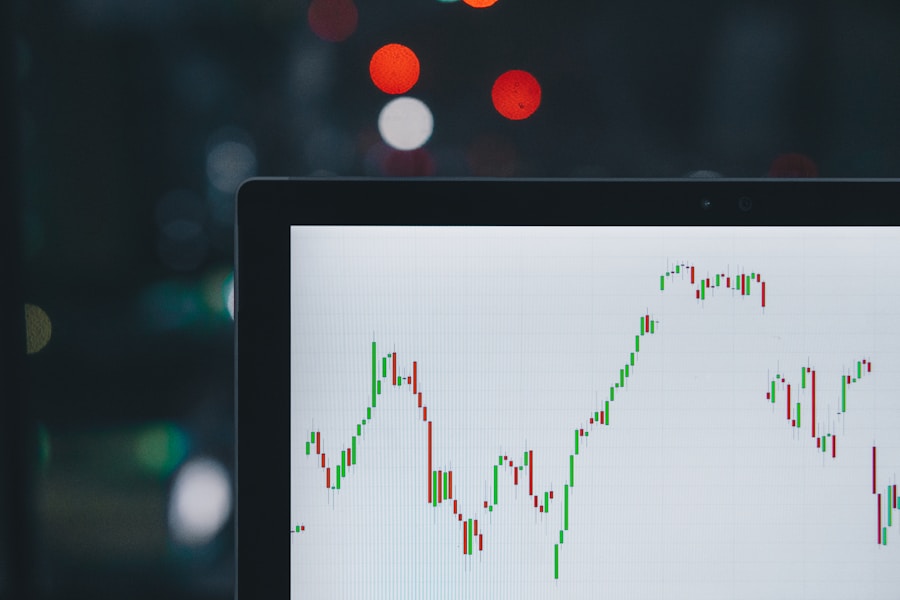

Portfolio rebalancing is the process of realigning the weightings of assets in a portfolio. This is done to maintain the desired level of risk and return. When an investor initially creates a portfolio, they allocate a certain percentage of their assets to different types of investments, such as stocks, bonds, and cash. Over time, the value of these assets will change, causing the original allocation to shift. Rebalancing is necessary to bring the portfolio back to its original allocation.
There are two main methods of rebalancing a portfolio: time-based and threshold-based. Time-based rebalancing involves setting a specific time interval, such as annually or semi-annually, to review and adjust the portfolio. Threshold-based rebalancing, on the other hand, involves setting specific percentage thresholds for each asset class. When an asset class deviates from its target allocation by a certain percentage, the portfolio is rebalanced to bring it back in line.
Market Conditions and Rebalancing
Market conditions play a significant role in the decision to rebalance a portfolio. During periods of market volatility, asset prices can fluctuate dramatically, causing the original allocation of the portfolio to shift. In these situations, it may be necessary to rebalance the portfolio to maintain the desired level of risk and return. Additionally, changes in market conditions can also impact the correlation between different asset classes. For example, during a bear market, stocks and bonds may become more negatively correlated, leading to a higher level of risk in the portfolio.
It is important for investors to monitor market conditions and be aware of how they can impact their portfolio. By staying informed about market trends and economic indicators, investors can make more informed decisions about when to rebalance their portfolio. Additionally, working with a financial advisor can provide valuable insights into market conditions and help investors make more strategic decisions about their portfolio.
Rebalancing Frequency
The frequency at which a portfolio should be rebalanced is a topic of much debate among financial professionals. Some argue that frequent rebalancing can lead to higher transaction costs and tax implications, while others believe that less frequent rebalancing can lead to increased risk and lower returns. Ultimately, the decision on how often to rebalance a portfolio depends on the individual investor's risk tolerance, investment goals, and market conditions.
For long-term investors with a higher risk tolerance, less frequent rebalancing may be appropriate. These investors may be comfortable with a higher level of risk in their portfolio and may not feel the need to make frequent adjustments. On the other hand, more conservative investors may prefer to rebalance their portfolio more frequently to maintain a lower level of risk.
Asset Allocation and Rebalancing
Asset allocation is a key component of portfolio rebalancing. When an investor initially creates a portfolio, they allocate a certain percentage of their assets to different types of investments, such as stocks, bonds, and cash. Over time, changes in market conditions and asset prices can cause the original allocation to shift. Rebalancing is necessary to bring the portfolio back to its original allocation.
The process of asset allocation and rebalancing is highly individualized and depends on an investor's risk tolerance, investment goals, and time horizon. For example, younger investors with a longer time horizon may be more willing to take on higher levels of risk in their portfolio and may have a higher allocation to stocks. As they approach retirement, they may choose to rebalance their portfolio to reduce risk and increase their allocation to more conservative investments, such as bonds.
Life Events and Rebalancing
Life events can have a significant impact on an investor's portfolio and may necessitate the need for rebalancing. For example, getting married, having children, or buying a home can all impact an investor's financial situation and may require adjustments to their portfolio. Additionally, changes in employment or income can also impact an investor's ability to take on risk in their portfolio.
It is important for investors to regularly review their financial situation and consider how life events may impact their investment strategy. By staying informed about changes in their personal life and financial situation, investors can make more informed decisions about when to rebalance their portfolio. Working with a financial advisor can also provide valuable insights into how life events may impact an investor's portfolio and help them make more strategic decisions.
Tax Considerations and Rebalancing
Tax considerations are an important factor to consider when rebalancing a portfolio. Selling assets in a taxable account can trigger capital gains taxes, which can impact an investor's overall return. Additionally, selling assets in a tax-advantaged account, such as an IRA or 401(k), can also have tax implications.
Investors should carefully consider the tax implications of rebalancing their portfolio and work with a financial advisor to develop a tax-efficient strategy. For example, investors may choose to sell assets with losses to offset gains in other parts of their portfolio. Additionally, investors may choose to use tax-efficient investment vehicles, such as index funds or ETFs, which have lower turnover and can help minimize capital gains taxes.
Working with a Financial Advisor
Working with a financial advisor can provide valuable insights into the process of portfolio rebalancing. A financial advisor can help investors develop a personalized investment strategy based on their individual goals, risk tolerance, and time horizon. Additionally, financial advisors can provide valuable insights into market conditions and help investors make more informed decisions about when to rebalance their portfolio.
Financial advisors can also provide valuable guidance on tax considerations and help investors develop a tax-efficient strategy for rebalancing their portfolio. By working with a financial advisor, investors can gain access to professional expertise and make more strategic decisions about their investment strategy. Ultimately, working with a financial advisor can help investors navigate the complexities of portfolio rebalancing and make more informed decisions about their financial future.
In conclusion, portfolio rebalancing is an important aspect of maintaining a healthy investment strategy. By understanding the process of rebalancing, monitoring market conditions, considering asset allocation, life events, tax implications, and working with a financial advisor, investors can make more informed decisions about when and how to rebalance their portfolio. Ultimately, developing a personalized investment strategy based on individual goals and risk tolerance is key to achieving long-term financial success.