

Market corrections are a natural part of the financial landscape, characterized by a decline of 10% or more in the price of a security or index from its most recent peak. These corrections can occur in various asset classes, including stocks, bonds, and real estate, and are often triggered by a combination of economic factors, investor sentiment, and external events. For instance, a sudden geopolitical crisis or a shift in monetary policy can lead to increased volatility and trigger a correction. Understanding the underlying causes of these corrections is crucial for investors who wish to navigate the complexities of the market effectively.
Historically, market corrections have been a common occurrence, with the S&P 500 experiencing an average correction of about 14% every year. While these declines can be unsettling, they often serve as a necessary mechanism for the market to recalibrate and adjust to new information. For example, during the COVID-19 pandemic, the stock market experienced a rapid correction as investors reacted to the uncertainty surrounding the global economy. However, this correction was followed by a significant recovery as governments implemented stimulus measures and vaccine rollouts began. Recognizing that corrections are part of the market cycle can help investors maintain perspective and avoid making impulsive decisions based on short-term fluctuations.
In exploring the psychological aspects of market corrections, it's also beneficial to consider practical financial strategies during turbulent times. A related article that provides insights into effective financial management is titled "Best Savings Accounts in Europe 2023: Where Smart Families Park Emergency Funds." This piece discusses how families can safeguard their finances and maintain liquidity during market downturns. For more information, you can read the article here: Best Savings Accounts in Europe 2023.
Key Takeaways
- Market corrections are natural declines in stock prices that can trigger emotional reactions.
- Behavioral finance explains how biases influence investor decisions during corrections.
- Effective strategies include maintaining diversification and avoiding impulsive actions.
- Professional financial advice can help navigate the uncertainty of market corrections.
- Viewing corrections with a long-term perspective can reveal investment opportunities.
Emotional Responses to Market Corrections
The emotional responses that investors experience during market corrections can significantly influence their decision-making processes. Fear and anxiety are common reactions as investors witness declines in their portfolios, often leading to panic selling. This emotional turmoil can be exacerbated by media coverage that amplifies negative sentiment, creating a feedback loop that drives further selling pressure. For instance, during the 2008 financial crisis, many investors were paralyzed by fear, leading them to liquidate their holdings at the worst possible time, only to miss out on subsequent market recoveries.
Conversely, some investors may experience a sense of euphoria during corrections, viewing them as buying opportunities. This mindset can lead to impulsive decisions driven by greed rather than sound investment principles. The challenge lies in balancing these emotional responses and maintaining a rational perspective. Investors who can recognize their emotions and understand how they impact their behavior are better equipped to make informed decisions during turbulent times. Developing emotional resilience is essential for navigating market corrections without succumbing to irrational fears or overzealous optimism.
Behavioral Finance and Market Corrections
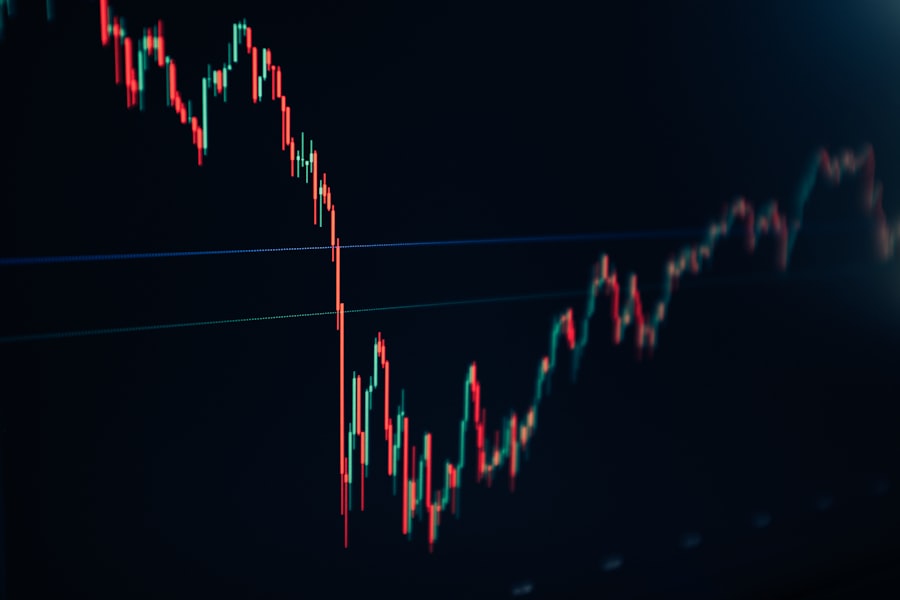
Behavioral finance provides valuable insights into how psychological factors influence investor behavior during market corrections. Concepts such as loss aversion—where individuals prefer to avoid losses rather than acquire equivalent gains—play a significant role in shaping responses to market downturns. Investors often react more strongly to losses than to gains of the same magnitude, which can lead to overly conservative strategies during corrections. This phenomenon can result in missed opportunities for growth when markets eventually rebound.
Another critical aspect of behavioral finance is the concept of herd behavior, where individuals mimic the actions of others rather than relying on their analysis. During market corrections, this tendency can lead to widespread panic selling as investors follow the crowd, exacerbating price declines. Conversely, when markets begin to recover, herd behavior can also drive exuberance, leading to overvaluation and potential bubbles. Understanding these behavioral biases allows investors to develop strategies that mitigate their impact, fostering a more disciplined approach to investing even in the face of market volatility.
Strategies for Managing Market Corrections
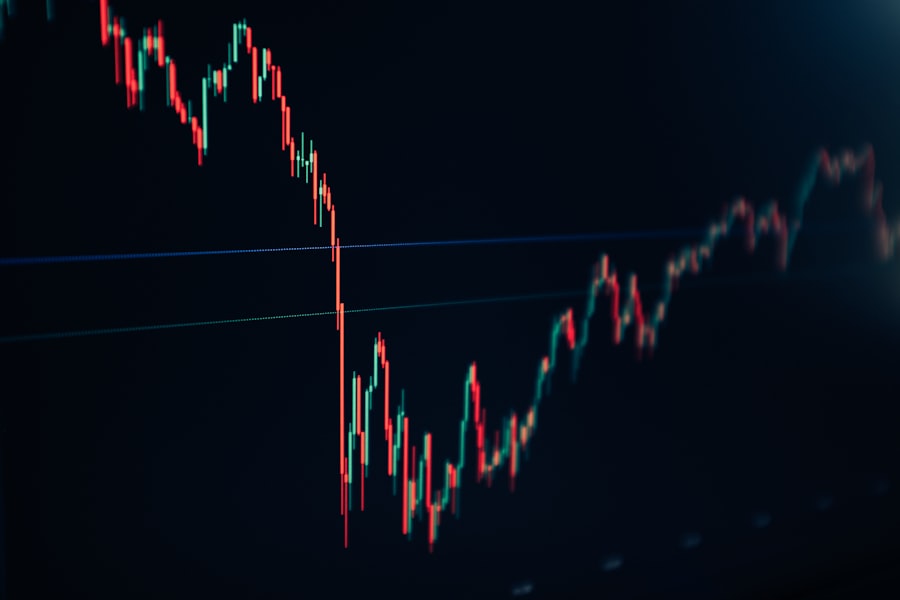
Developing effective strategies for managing market corrections is essential for long-term investment success. One fundamental approach is to maintain a well-defined investment plan that outlines specific goals and risk tolerance levels. By adhering to this plan during periods of volatility, investors can avoid making impulsive decisions driven by fear or greed.
Regularly reviewing and rebalancing portfolios can also help ensure that asset allocations remain aligned with an investor's objectives, providing a buffer against market fluctuations.
Another strategy involves employing dollar-cost averaging, which entails consistently investing a fixed amount of money at regular intervals regardless of market conditions. This approach allows investors to purchase more shares when prices are low and fewer shares when prices are high, ultimately reducing the average cost per share over time. During market corrections, dollar-cost averaging can help mitigate the emotional impact of volatility while fostering a disciplined investment approach. Additionally, setting aside cash reserves can provide investors with the flexibility to take advantage of buying opportunities that arise during corrections without needing to liquidate existing holdings at unfavorable prices.
In exploring the intricacies of market corrections, investors may find it beneficial to read about the broader regulatory landscape that can impact their strategies. A related article discusses how to navigate Europe's diverse regulatory environment, providing insights that can help investors make informed decisions during turbulent times. Understanding these regulations can be crucial for adapting to market fluctuations effectively. For more information, you can check out the article here.
The Role of Diversification in Market Corrections
| Metric | Description | Typical Range | Psychological Impact | Recommended Action |
|---|---|---|---|---|
| Market Correction Percentage | Percentage drop from recent market peak | 10% - 20% | Triggers fear and uncertainty | Stay calm, avoid panic selling |
| Investor Sentiment Index | Measures overall market optimism or pessimism | 0 (extreme fear) to 100 (extreme greed) | Low values indicate fear, high values indicate greed | Use as contrarian indicator; consider buying when fear is high |
| Volatility Index (VIX) | Market's expectation of near-term volatility | 10 - 50+ | Higher values increase anxiety and risk aversion | Recognize volatility as opportunity, not just risk |
| Average Holding Period | Average time investors hold assets before selling | Months to years | Shorter periods increase reaction to market drops | Adopt long-term perspective to reduce emotional decisions |
| Loss Aversion Coefficient | Degree to which losses impact investor behavior more than gains | Typically 2x (losses felt twice as strongly) | Leads to holding losing positions too long or panic selling | Be aware of bias; stick to investment plan |
Diversification is a cornerstone of risk management in investing and plays a crucial role during market corrections. By spreading investments across various asset classes, sectors, and geographic regions, investors can reduce their exposure to any single investment's poor performance. For example, during the 2020 market correction triggered by the COVID-19 pandemic, technology stocks experienced significant volatility while other sectors like consumer staples remained relatively stable. A well-diversified portfolio would have mitigated some of the losses experienced in tech stocks by balancing them with more stable investments.
Moreover, diversification not only helps reduce risk but also enhances potential returns over time. By including a mix of asset classes—such as equities, bonds, real estate, and commodities—investors can capture growth opportunities while minimizing the impact of downturns in any one area. It is essential for investors to regularly assess their diversification strategy and make adjustments as needed based on changing market conditions and personal financial goals. This proactive approach ensures that portfolios remain resilient during corrections while positioning investors for long-term success.
In exploring the intricacies of market behavior, one can gain valuable insights from related articles that discuss various aspects of trading and investment strategies. For instance, a comprehensive guide on selecting the right trading platform can significantly enhance your ability to navigate market fluctuations effectively. You can read more about this in the article on choosing the best platform to grow your money, which provides essential tips for making informed decisions during market corrections. Understanding these elements can empower investors to respond more strategically when faced with downturns.
Seeking Professional Guidance During Market Corrections
You can easily estimate your future earnings using the wealth calculator.
Navigating market corrections can be challenging, and seeking professional guidance from financial advisors or investment managers can provide valuable support. These professionals bring expertise and experience that can help investors make informed decisions during turbulent times. A financial advisor can assist in developing a comprehensive investment strategy tailored to an individual's risk tolerance and financial goals while providing insights into market trends and potential opportunities.
Additionally, professional guidance can help investors maintain discipline during periods of heightened emotional stress. Advisors often serve as objective sounding boards, helping clients navigate their fears and anxieties while reinforcing the importance of sticking to their long-term investment plans. By leveraging their knowledge and experience, financial professionals can help investors avoid common pitfalls associated with emotional decision-making during market corrections.
Long-Term Perspective and Market Corrections
Maintaining a long-term perspective is vital for successfully navigating market corrections. Investors who focus on short-term fluctuations may find themselves reacting impulsively to market movements rather than adhering to their long-term strategies. Historical data shows that markets tend to recover from corrections over time; for instance, after the significant downturns experienced during the dot-com bubble burst in 2000 and the 2008 financial crisis, markets eventually rebounded and reached new highs.
By adopting a long-term mindset, investors can better withstand the emotional turmoil associated with market corrections and remain committed to their investment strategies. This perspective encourages patience and discipline, allowing investors to ride out volatility without succumbing to panic selling or making hasty decisions based on fear. Emphasizing long-term goals—such as retirement savings or funding education—can help investors maintain focus on what truly matters rather than getting caught up in day-to-day market fluctuations.
Taking Advantage of Opportunities During Market Corrections
Market corrections often present unique opportunities for savvy investors willing to look beyond short-term volatility. When prices decline significantly, fundamentally strong companies may become undervalued, creating potential buying opportunities for long-term growth. For instance, during the 2020 market correction caused by COVID-19, many high-quality stocks experienced sharp declines despite their strong fundamentals. Investors who recognized these opportunities could have capitalized on discounted prices and positioned themselves for future gains as markets recovered.
Moreover, corrections can also prompt investors to reassess their portfolios and identify areas for improvement or reallocation. This period of reflection allows for strategic adjustments that align with evolving financial goals or changing market conditions. By taking a proactive approach during corrections—whether through purchasing undervalued assets or reallocating investments—investors can enhance their portfolios' resilience while positioning themselves for future success in an ever-changing financial landscape.
Learn more about the 1-Hour Millionaire System