

Inflation, the rate at which the general level of prices for goods and services rises, erodes purchasing power and can significantly impact investment returns. When inflation is high, the real value of money decreases, meaning that the same amount of currency buys fewer goods and services over time. This phenomenon can lead to a decline in the purchasing power of fixed-income investments, such as bonds, which pay a set interest rate.
For instance, if an investor holds a bond yielding 3% in an environment where inflation is running at 5%, the real return on that bond is effectively negative, resulting in a loss of purchasing power. The implications of inflation extend beyond fixed-income securities; they also affect equities and real assets. Companies may struggle to pass on rising costs to consumers, which can compress profit margins and lead to lower stock prices.
Conversely, certain sectors, such as commodities and real estate, often perform well during inflationary periods as their values tend to rise with increasing prices. Understanding these dynamics is crucial for investors seeking to protect their portfolios from the adverse effects of inflation. By recognizing how inflation influences various asset classes, investors can make more informed decisions about where to allocate their capital.
You can easily estimate your future earnings using the wealth calculator.
When selecting exchange-traded funds (ETFs) designed to provide protection against inflation, several key factors should be taken into account. First and foremost is the underlying assets held by the ETF.
These securities provide a hedge against rising prices as their principal value increases with inflation, ensuring that investors maintain their purchasing power. However, not all ETFs are created equal; some may include a mix of TIPS and other asset classes, which can dilute their effectiveness as an inflation hedge. Another critical factor is the expense ratio of the ETF.
Lower expense ratios can significantly enhance long-term returns, especially in an environment where inflation is eroding purchasing power. Investors should compare the costs associated with different ETFs, including management fees and trading costs, to ensure they are not sacrificing potential returns for higher expenses. Additionally, liquidity is an essential consideration; ETFs with higher trading volumes tend to have tighter bid-ask spreads, making it easier for investors to enter and exit positions without incurring substantial costs.

As of 2026, several ETFs have emerged as strong contenders for investors seeking inflation protection in Europe. One notable example is the iShares Euro Government Bond 15-30 Years Inflation-Linked UCITS ETF (IBGL). This fund primarily invests in long-dated euro-denominated government bonds that are linked to inflation, providing a direct hedge against rising prices in the Eurozone.
The ETF's focus on longer maturities allows it to capture more significant price adjustments due to inflation, making it an attractive option for investors concerned about future price increases. Another prominent choice is the Lyxor Euro Government Bond Inflation-Linked 10Y+ DR UCITS ETF (EGIL). This ETF targets euro-denominated government bonds with maturities exceeding ten years and offers exposure to a diversified portfolio of inflation-linked securities.
By investing in a range of countries within the Eurozone, this fund mitigates country-specific risks while providing a robust hedge against inflation. Additionally, its relatively low expense ratio makes it an appealing option for cost-conscious investors looking to protect their portfolios from inflationary pressures.
Evaluating the performance of inflation-protected ETFs requires a nuanced approach that considers both absolute returns and relative performance against traditional asset classes. Over the past few years, many inflation-protected ETFs have outperformed conventional fixed-income investments during periods of rising inflation. For instance, during the inflationary spike observed in 2021 and 2022, TIPS-based ETFs demonstrated resilience as their principal values adjusted upward in response to increasing consumer prices.
However, it is essential to analyze performance over various time horizons. Short-term fluctuations may not accurately reflect the long-term benefits of holding inflation-protected assets. Investors should also consider how these ETFs perform during deflationary periods or low-inflation environments, as they may lag behind traditional equities or bonds during such times.
A comprehensive analysis should include metrics such as total return, volatility, and correlation with other asset classes to provide a clearer picture of how these funds fit into an overall investment strategy.
Incorporating inflation-protected ETFs into an investment portfolio necessitates careful consideration of diversification and asset allocation strategies. While these ETFs serve as a hedge against rising prices, they should not constitute an entire portfolio's foundation. A well-rounded investment strategy typically includes a mix of equities, fixed income, and alternative assets to balance risk and return effectively.
Investors might consider allocating a specific percentage of their portfolio to inflation-protected ETFs based on their risk tolerance and investment goals. For example, a conservative investor might allocate 10-15% of their portfolio to these funds as a safeguard against inflation while maintaining a larger allocation to traditional bonds and equities. On the other hand, more aggressive investors may choose to increase their exposure to inflation-protected assets during periods of heightened inflation expectations or economic uncertainty.
This dynamic approach allows investors to adapt their strategies based on prevailing market conditions while still benefiting from the protective qualities of these specialized ETFs.
Cost and liquidity are two critical factors that can significantly influence an investor's experience with inflation-protected ETFs. The expense ratio is often the first metric considered; lower fees can enhance net returns over time. Investors should scrutinize not only the management fees but also any additional costs associated with trading the ETF, such as brokerage commissions or bid-ask spreads.
A fund with a low expense ratio but high trading costs may not be as advantageous as one with slightly higher fees but better liquidity. Liquidity is equally important when investing in ETFs, particularly during volatile market conditions when investors may need to sell quickly. High liquidity typically results in tighter bid-ask spreads, reducing transaction costs for investors.
When evaluating liquidity, investors should look at average daily trading volumes and consider how these figures compare to other similar funds in the market. A well-traded ETF can provide peace of mind that investors will be able to enter or exit positions without significant price slippage.
While inflation-protected ETFs offer several advantages, they are not without risks and challenges that investors must consider. One primary concern is interest rate risk; as interest rates rise, the prices of existing bonds—including TIPS—tend to fall. This inverse relationship can lead to short-term losses for investors holding these securities during periods of rising rates, even if they are designed to protect against inflation.
Additionally, there is the risk that inflation may not materialize as expected. If inflation remains subdued or falls below expectations, the returns on TIPS may underperform those of traditional fixed-income investments or equities. This scenario could lead investors to question the effectiveness of their inflation protection strategy.
Furthermore, geopolitical events or economic shocks can create volatility in markets that may impact the performance of inflation-protected assets unexpectedly.
In an environment characterized by rising inflationary pressures, making informed investment decisions becomes paramount for preserving wealth and achieving financial goals. Investors should begin by conducting thorough research on various asset classes and understanding how they respond to inflationary trends. This knowledge will enable them to construct a diversified portfolio that includes inflation-protected assets while balancing risk across different sectors.
Moreover, staying informed about macroeconomic indicators—such as consumer price indices (CPI), producer price indices (PPI), and central bank policies—can provide valuable insights into future inflation trends. Engaging with financial advisors or utilizing investment platforms that offer analytical tools can further enhance decision-making capabilities. Ultimately, by combining a solid understanding of market dynamics with strategic asset allocation and diversification practices, investors can navigate the complexities of investing in an inflationary environment more effectively.
For those looking to safeguard their investments against inflation in Europe, the article on com/building-a-european-etf-portfolio-for-financial-independence/'>building a European ETF portfolio for financial independence provides valuable insights. It complements the discussion in "The Best ETFs for Inflation Protection in Europe 2026" by offering strategies on how to effectively structure an ETF portfolio that can withstand economic fluctuations while aiming for long-term growth.
Book Free Strategy Call
For instance, if an investor holds a bond yielding 3% in an environment where inflation is running at 5%, the real return on that bond is effectively negative, resulting in a loss of purchasing power. The implications of inflation extend beyond fixed-income securities; they also affect equities and real assets. Companies may struggle to pass on rising costs to consumers, which can compress profit margins and lead to lower stock prices.
Conversely, certain sectors, such as commodities and real estate, often perform well during inflationary periods as their values tend to rise with increasing prices. Understanding these dynamics is crucial for investors seeking to protect their portfolios from the adverse effects of inflation. By recognizing how inflation influences various asset classes, investors can make more informed decisions about where to allocate their capital.
You can easily estimate your future earnings using the wealth calculator.
Key Takeaways
- Inflation significantly affects investment returns, making inflation protection crucial for preserving purchasing power.
- Selecting ETFs for inflation protection requires evaluating factors like asset type, geographic exposure, and inflation sensitivity.
- Top European ETFs for inflation protection in 2026 include those focused on real assets, commodities, and inflation-linked bonds.
- Diversification and strategic asset allocation enhance the effectiveness of inflation-protected ETF portfolios.
- Investors must consider costs, liquidity, and inherent risks when choosing inflation-protected ETFs to make informed decisions.
Factors to Consider When Choosing ETFs for Inflation Protection
When selecting exchange-traded funds (ETFs) designed to provide protection against inflation, several key factors should be taken into account. First and foremost is the underlying assets held by the ETF.
These securities provide a hedge against rising prices as their principal value increases with inflation, ensuring that investors maintain their purchasing power. However, not all ETFs are created equal; some may include a mix of TIPS and other asset classes, which can dilute their effectiveness as an inflation hedge. Another critical factor is the expense ratio of the ETF.
Lower expense ratios can significantly enhance long-term returns, especially in an environment where inflation is eroding purchasing power. Investors should compare the costs associated with different ETFs, including management fees and trading costs, to ensure they are not sacrificing potential returns for higher expenses. Additionally, liquidity is an essential consideration; ETFs with higher trading volumes tend to have tighter bid-ask spreads, making it easier for investors to enter and exit positions without incurring substantial costs.
Top ETFs for Inflation Protection in Europe 2026

As of 2026, several ETFs have emerged as strong contenders for investors seeking inflation protection in Europe. One notable example is the iShares Euro Government Bond 15-30 Years Inflation-Linked UCITS ETF (IBGL). This fund primarily invests in long-dated euro-denominated government bonds that are linked to inflation, providing a direct hedge against rising prices in the Eurozone.
The ETF's focus on longer maturities allows it to capture more significant price adjustments due to inflation, making it an attractive option for investors concerned about future price increases. Another prominent choice is the Lyxor Euro Government Bond Inflation-Linked 10Y+ DR UCITS ETF (EGIL). This ETF targets euro-denominated government bonds with maturities exceeding ten years and offers exposure to a diversified portfolio of inflation-linked securities.
By investing in a range of countries within the Eurozone, this fund mitigates country-specific risks while providing a robust hedge against inflation. Additionally, its relatively low expense ratio makes it an appealing option for cost-conscious investors looking to protect their portfolios from inflationary pressures.
Analyzing the Performance of Inflation-Protected ETFs
Evaluating the performance of inflation-protected ETFs requires a nuanced approach that considers both absolute returns and relative performance against traditional asset classes. Over the past few years, many inflation-protected ETFs have outperformed conventional fixed-income investments during periods of rising inflation. For instance, during the inflationary spike observed in 2021 and 2022, TIPS-based ETFs demonstrated resilience as their principal values adjusted upward in response to increasing consumer prices.
However, it is essential to analyze performance over various time horizons. Short-term fluctuations may not accurately reflect the long-term benefits of holding inflation-protected assets. Investors should also consider how these ETFs perform during deflationary periods or low-inflation environments, as they may lag behind traditional equities or bonds during such times.
A comprehensive analysis should include metrics such as total return, volatility, and correlation with other asset classes to provide a clearer picture of how these funds fit into an overall investment strategy.
Diversification and Asset Allocation Strategies for Inflation-Protected ETFs
| ETF Name | ISIN | Expense Ratio (%) | Asset Class | Inflation Protection Strategy | Region Focus | YTD Performance (%) | Dividend Yield (%) |
|---|---|---|---|---|---|---|---|
| iShares Euro Inflation Linked Govt Bond UCITS ETF | IE00B1FZS350 | 0.20 | Government Bonds | Inflation-linked bonds | Europe | 4.5 | 1.2 |
| Xtrackers II EUR Inflation-Linked Bond UCITS ETF | LU0290355717 | 0.15 | Government Bonds | Inflation-linked bonds | Europe | 4.2 | 1.1 |
| Lyxor EuroMTS Inflation-Linked Investment Grade (DR) UCITS ETF | FR0010527270 | 0.25 | Government Bonds | Inflation-linked bonds | Europe | 4.7 | 1.3 |
| SPDR Bloomberg Barclays Euro Inflation Linked Bond UCITS ETF | IE00BDFL4P12 | 0.20 | Government Bonds | Inflation-linked bonds | Europe | 4.3 | 1.2 |
| Amundi Euro Inflation Linked UCITS ETF | FR0010688192 | 0.18 | Government Bonds | Inflation-linked bonds | Europe | 4.6 | 1.2 |
Incorporating inflation-protected ETFs into an investment portfolio necessitates careful consideration of diversification and asset allocation strategies. While these ETFs serve as a hedge against rising prices, they should not constitute an entire portfolio's foundation. A well-rounded investment strategy typically includes a mix of equities, fixed income, and alternative assets to balance risk and return effectively.
Investors might consider allocating a specific percentage of their portfolio to inflation-protected ETFs based on their risk tolerance and investment goals. For example, a conservative investor might allocate 10-15% of their portfolio to these funds as a safeguard against inflation while maintaining a larger allocation to traditional bonds and equities. On the other hand, more aggressive investors may choose to increase their exposure to inflation-protected assets during periods of heightened inflation expectations or economic uncertainty.
This dynamic approach allows investors to adapt their strategies based on prevailing market conditions while still benefiting from the protective qualities of these specialized ETFs.
Evaluating the Cost and Liquidity of Inflation-Protected ETFs
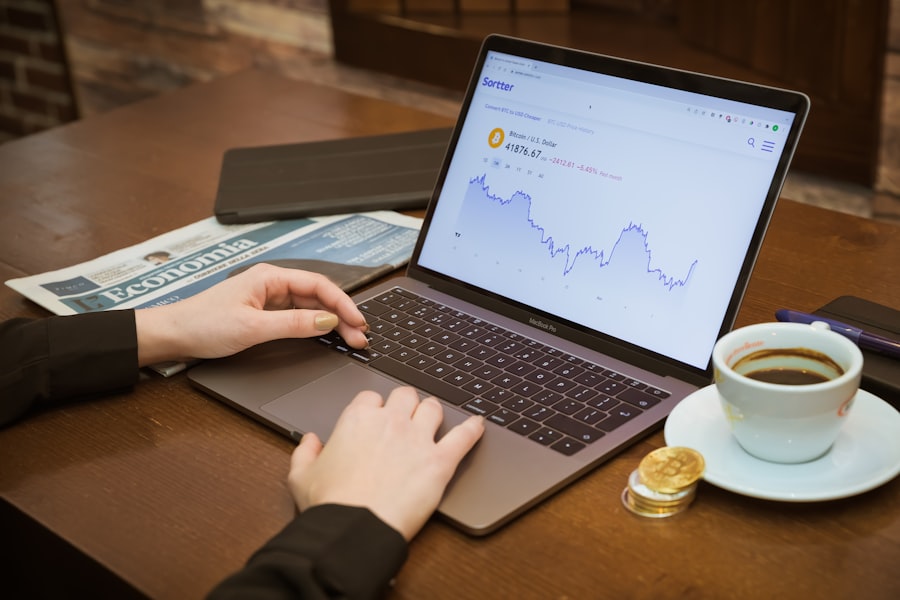
Cost and liquidity are two critical factors that can significantly influence an investor's experience with inflation-protected ETFs. The expense ratio is often the first metric considered; lower fees can enhance net returns over time. Investors should scrutinize not only the management fees but also any additional costs associated with trading the ETF, such as brokerage commissions or bid-ask spreads.
A fund with a low expense ratio but high trading costs may not be as advantageous as one with slightly higher fees but better liquidity. Liquidity is equally important when investing in ETFs, particularly during volatile market conditions when investors may need to sell quickly. High liquidity typically results in tighter bid-ask spreads, reducing transaction costs for investors.
When evaluating liquidity, investors should look at average daily trading volumes and consider how these figures compare to other similar funds in the market. A well-traded ETF can provide peace of mind that investors will be able to enter or exit positions without significant price slippage.
Risks and Challenges Associated with Inflation-Protected ETFs
While inflation-protected ETFs offer several advantages, they are not without risks and challenges that investors must consider. One primary concern is interest rate risk; as interest rates rise, the prices of existing bonds—including TIPS—tend to fall. This inverse relationship can lead to short-term losses for investors holding these securities during periods of rising rates, even if they are designed to protect against inflation.
Additionally, there is the risk that inflation may not materialize as expected. If inflation remains subdued or falls below expectations, the returns on TIPS may underperform those of traditional fixed-income investments or equities. This scenario could lead investors to question the effectiveness of their inflation protection strategy.
Furthermore, geopolitical events or economic shocks can create volatility in markets that may impact the performance of inflation-protected assets unexpectedly.
Making Informed Investment Decisions in the Face of Inflation
In an environment characterized by rising inflationary pressures, making informed investment decisions becomes paramount for preserving wealth and achieving financial goals. Investors should begin by conducting thorough research on various asset classes and understanding how they respond to inflationary trends. This knowledge will enable them to construct a diversified portfolio that includes inflation-protected assets while balancing risk across different sectors.
Moreover, staying informed about macroeconomic indicators—such as consumer price indices (CPI), producer price indices (PPI), and central bank policies—can provide valuable insights into future inflation trends. Engaging with financial advisors or utilizing investment platforms that offer analytical tools can further enhance decision-making capabilities. Ultimately, by combining a solid understanding of market dynamics with strategic asset allocation and diversification practices, investors can navigate the complexities of investing in an inflationary environment more effectively.
For those looking to safeguard their investments against inflation in Europe, the article on com/building-a-european-etf-portfolio-for-financial-independence/'>building a European ETF portfolio for financial independence provides valuable insights. It complements the discussion in "The Best ETFs for Inflation Protection in Europe 2026" by offering strategies on how to effectively structure an ETF portfolio that can withstand economic fluctuations while aiming for long-term growth.
Book Free Strategy Call