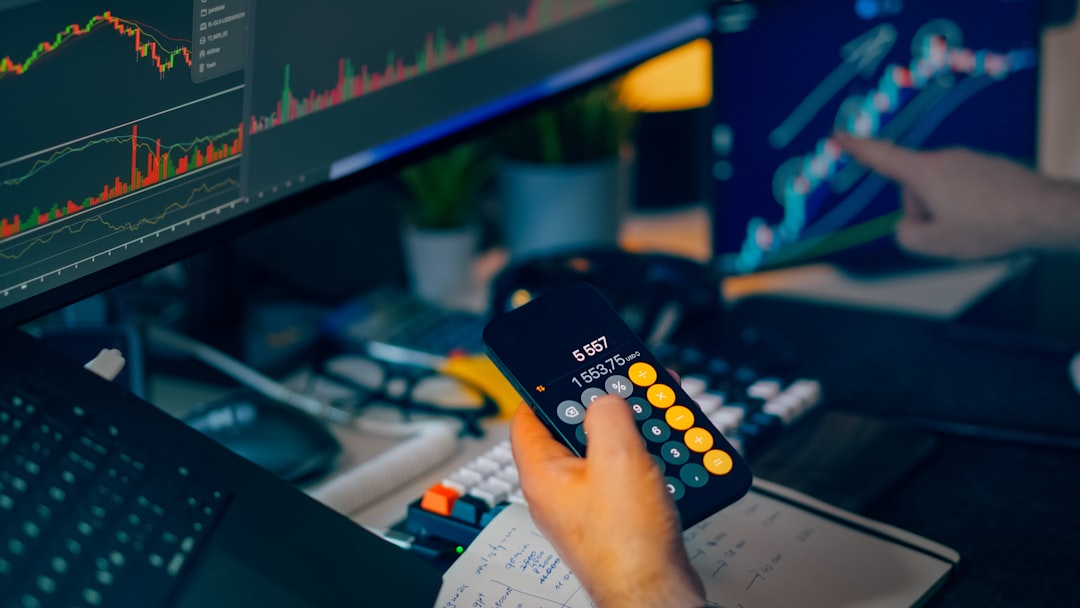

You see the news. Silver and uranium are up. Way up. Maybe you’re thinking, “What’s happening here?” Or more importantly, “Should I be doing something?” This isn't about chasing hot stocks. This is about understanding real trends. Trends that can work for you, even if you only have an hour.
Let’s cut through the noise. We’re looking at two commodities that are doing more than just ticking up. They’re showing strength, backed by solid data. This isn’t a quick trade idea. This is about a potential long-term shift. And for busy parents and professionals like us, that means looking for smart, systematic ways to benefit. You can easily estimate your future earnings using the wealth calculator.
Why Now? The Big Picture
Think of the market like a giant ocean. Sometimes it's calm, sometimes it’s stormy. Right now, silver and uranium are riding waves that look promising. It’s not about guessing which way the tide will turn tomorrow. It’s about understanding the forces pushing these waves.
The world is changing. Energy needs are growing, and so is the demand for materials that power our future. This isn't just about economics; it's about necessity. Governments are looking at energy security. Industries are looking for cleaner, more efficient solutions. These are big, powerful trends.
Uranium: Fueling the Future
Uranium is more than just a metal. It's the fuel for nuclear power. And nuclear power is getting a second look. Imagine a world where energy demand is skyrocketing, but we also need to reduce emissions. Nuclear power offers a low-carbon solution.
The Supply Squeeze
The most important thing to understand about uranium is supply. It’s not like oil, where you can find more easily. Mining uranium takes time and a lot of investment. For years, not enough new uranium has been mined to meet demand. This imbalance is a key driver.
Tight Supply is the Name of the Game
As of January 20, 2026, the spot price for uranium was $85.25 per pound. That’s a jump of 4.73% in the last month and 15.20% over the past year. Futures contracts, which are like bets on future prices, have also hit highs not seen in 17 months. This tells you that big players expect prices to keep going up.
Why this squeeze? Several reasons.
- US Regulatory Winds: Changes in regulations in the US are making it easier to consider and build new nuclear facilities. Less red tape means faster progress.
- New Reactor Deals: We’re seeing significant contracts being signed. Think about $2.7 billion in new contracts. Companies like Cameco and Westinghouse are partnering up. These aren't small deals; they represent real, tangible demand for uranium in the coming years.
- Datacenters and AI: This is a new, significant demand driver. Artificial intelligence needs massive amounts of computing power, and datacenters consume huge amounts of electricity. Nuclear power can provide this reliable, low-carbon energy.
Sprott's View: A Stronger Bull Market
A respected firm like Sprott sees this trend continuing and strengthening in 2026. They noted that the spot price of uranium increased by over 11% in 2025. Mining companies that dig up uranium saw their stock prices jump by around 42%. The price for future contracts is currently around $86 per pound.
Sprott believes that by 2026, we could see prices between $90 and $100 per pound. This optimism is based on a few things:
- Continued Tight Supply: The fundamental imbalance between how much uranium is available and how much is needed will persist.
- Policy Clarity: Governments are increasingly clear about their support for nuclear energy. This includes significant funding, like $80 billion in US reactor funding. This creates a predictable environment for the industry.
- Contracting Cycle: As new projects get the green light, companies need to secure their fuel supply. This leads to more long-term contracts being signed, which gives producers certainty and supports prices.
Technical Signals: Charting the Upside
Beyond the fundamental supply and demand, the charts are also telling a story. For uranium, there are patterns suggesting a breakout towards all-time high prices. This means that based on historical price movements, the current upward trend has strong momentum and could continue to climb significantly.
Silver: The Shining Metal of Demand
Silver is often seen as a sister metal to gold, but it has its own powerful story right now. It’s not just a safe haven; it’s a critical component in modern technology.
A Supply Deficit Like Never Before
The most striking fact about silver is the persistent supply deficit. This means the world is consuming more silver than is being mined. This has been happening for the fifth year in a row.
The 500 Million Ounce Gap
In 2025, silver’s rally was astonishing, doubling its price with a 120% gain. This surge was fueled by a massive supply deficit. We’re talking about a shortfall of 500 million ounces. This isn't a small gap; it's a sign that demand is outstripping available supply year after year.
What's driving this demand?
- Solar Power Boom: Silver is essential in solar panels. As the world pushes for renewable energy, the demand for solar technology, and thus silver, grows. Every new solar farm is a significant consumer of silver.
- Weak Dollar and Low Rates: When the US dollar is weak and interest rates are low, investors often turn to precious metals like silver as a store of value.
- Safe-Haven Flows: In uncertain times, people seek safety for their money. Silver, like gold, is often seen as a safe place to park wealth, especially when other markets are volatile.
The Inelastic Nature of Silver Supply
A key characteristic of silver is that its supply is “inelastic.” What does that mean? It means that even if the price of silver goes up significantly, it’s hard for more silver to be produced quickly. Why? Because about 80% of silver supply comes as a byproduct of mining other metals, like copper and lead. It’s not like drilling for oil; you can't just decide to mine more silver if the price spikes.
Moreover, the easily accessible, "free-floating" inventory of silver has been depleted. Think of it like the readily available stock in shops. When that runs out, it becomes much harder to find more.
Silver also tends to move with gold. When gold is seen as a valuable reserve asset, silver often follows suit. The recent sharp drops in silver prices, while scary, are being viewed by some as a temporary "flush" rather than the end of the rally. The price has gone up dramatically, and sometimes there's a natural pullback. But the underlying supply and demand situation suggests the long-term trend is still upwards.
Miners Lagging: A Sign of Potential?
Interestingly, silver mining companies haven't always kept pace with the price of silver itself. This can sometimes be a bullish signal. If the metal's price is rising faster than the companies that extract it, it suggests there's further upside potential for miners as they catch up.
Technical Targets: Reaching for the Stars
The technical outlook for silver is also very bullish. Analysts are looking at potential price targets well beyond current levels. While there are always risks and pullbacks in any market, some technical patterns suggest silver could reach $150 per ounce in 2026. Even more ambitious targets, looking at a 45-year pattern, suggest a potential move towards $666 per ounce. This is highly speculative, but it shows the extreme optimism some analysts hold based on chart patterns.
The Synergy: Why Both Matter Together
It’s not just about uranium or silver. There’s a synergy here. Both are seeing strong demand driven by different, yet complementary, trends. One is powering our future through clean energy, the other is enabling our technological advancement and serving as a store of value.
When multiple important assets show strong, data-backed trends, it suggests a broader shift in financial markets. It’s like seeing two strong currents merging into one powerful flow.
How to Invest: Systematic and Simple
Now, for us busy parents and professionals, the question is: how do we actually benefit from this without spending all our time watching charts? The answer is systematic investing.
We’re not day traders. We’re building long-term wealth. This means looking for strategies that are simple, repeatable, and require minimal ongoing effort.
UCITS ETFs: Your Passport to Global Markets
For investors in the European Union, the go-to tools are UCITS ETFs. These are exchange-traded funds that follow strict regulations designed to protect investors. They are diversified, low-cost, and can be bought and sold easily on stock exchanges.
- Broad Market Foundation: For general market exposure, ETFs like VWCE (Vanguard FTSE All-World UCITS ETF) or IWDA (iShares Core MSCI World UCITS ETF) are excellent starting points. They give you ownership in thousands of companies across the globe. This is your stable base.
- Commodity Exposure: To get exposure to commodities like silver and uranium, you can look at specialized UCITS ETFs. These funds hold physical commodities or futures contracts, and they track the price movements of the underlying asset.
Important Note on US ETFs: While US ETFs might offer specific exposure, they are often not directly available to EU retail investors due to regulatory differences. Platforms like eTorodo offer access to some US-domiciled ETFs, but it's crucial to understand the specific limitations and regulatory environment when investing outside your primary region.
Understanding Accumulating vs. Distributing ETFs
When you invest in ETFs, you’ll see two main types:
- Accumulating (Acc): These ETFs automatically reinvest any dividends or interest earned back into the fund. This is often more tax-efficient for long-term growth, as you defer paying tax until you sell the ETF. Your investment grows like a snowball rolling downhill, getting bigger and bigger.
- Distributing (Dist): These ETFs pay out any dividends or interest earned to your brokerage account. This provides you with regular income, but you'll likely pay tax on these distributions. This is like getting regular cash payments.
For long-term wealth building, accumulating ETFs are generally preferred, especially if you don't need the income right away.
Building Your 1-Hour Plan
The beauty of systematic investing is that it doesn’t take hours a day. Once you have a plan, it takes minutes to implement and monitor.
- Define Your Goal: What are you saving for? Retirement? A down payment? Your children’s education?
- Determine Your Allocation: How much of your investment portfolio do you want to allocate to different asset classes (like global stocks, bonds, and commodities)? For commodities like silver and uranium, this would typically be a smaller, more speculative portion of your overall portfolio. Think of it as a spice to add flavor, not the main dish.
- Choose Your Tools: Select the UCITS ETFs that best fit your allocation. This might include a broad market ETF and a specific commodity ETF for silver or uranium.
- Automate: Set up regular, automatic investments. This is the key to consistency. You can buy a set amount of your chosen ETF every month, regardless of market ups and downs. This is called dollar-cost averaging. It removes emotion and ensures you buy more when prices are low and less when they are high.
- Review Periodically: You don’t need to check your portfolio every day. Once or twice a year, review your plan to ensure it still aligns with your goals and market conditions. This review itself should only take an hour or so.
This systematic approach ensures you are participating in these potentially strong trends, like silver and uranium, without getting caught up in the daily market noise. It’s about working smarter, not harder, with your money.
Want to build this specific plan for your family? Book your free roadmap call.
Book Family Wealth Strategy Session (€297 Value, FREE TODAY)