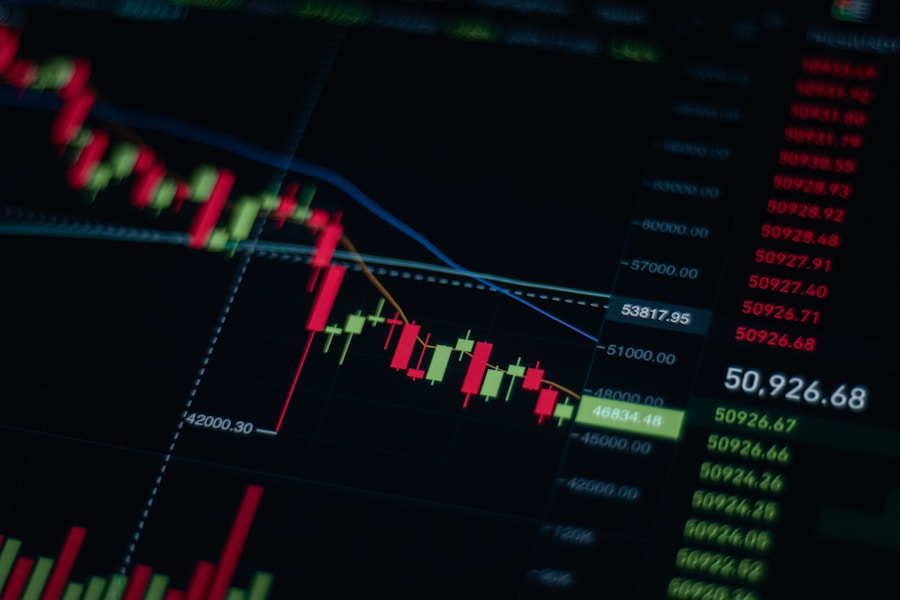

Market turbulence refers to the rapid and unpredictable changes in the prices of financial assets. This can be caused by a variety of factors, including economic indicators, geopolitical events, and investor sentiment. Understanding market turbulence is essential for investors, as it can have a significant impact on the value of their portfolios. It is important to recognize that market turbulence is a normal part of the investing process and can present both risks and opportunities. By understanding the underlying causes of market turbulence, investors can make more informed decisions about their investments and better navigate periods of volatility.
Market turbulence can be caused by a variety of factors, including changes in interest rates, inflation, and economic growth. Geopolitical events, such as wars or trade disputes, can also contribute to market turbulence. Additionally, investor sentiment and behavior can play a significant role in driving market volatility. Understanding these factors can help investors anticipate and prepare for periods of turbulence in the market. By staying informed about economic indicators and global events, investors can gain a better understanding of the potential impact on their investments and make more informed decisions about their portfolios.
Managing Emotions During Market Volatility
Managing emotions during market volatility is essential for investors to avoid making impulsive decisions that could negatively impact their portfolios. It is natural for investors to experience fear, anxiety, and even panic during periods of market turbulence. However, it is important to remember that emotions can cloud judgment and lead to irrational decision-making. By staying calm and rational during market volatility, investors can avoid making hasty decisions that could harm their long-term investment goals.
One way to manage emotions during market volatility is to focus on the long-term perspective. It is important to remember that market turbulence is often temporary and that the value of investments can fluctuate over time. By maintaining a long-term perspective, investors can avoid making knee-jerk reactions to short-term market movements. Additionally, having a well-defined investment plan and sticking to it can help investors stay focused on their long-term goals and avoid being swayed by short-term market fluctuations.
Developing a Long-Term Investment Strategy
Developing a long-term investment strategy is essential for investors to achieve their financial goals and navigate periods of market turbulence. A long-term investment strategy involves setting clear investment objectives, determining an appropriate asset allocation, and regularly reviewing and adjusting the portfolio as needed. By developing a long-term investment strategy, investors can better withstand periods of market volatility and stay focused on their long-term financial goals.
One key component of a long-term investment strategy is setting clear investment objectives. This involves determining specific financial goals, such as retirement savings or funding a child's education, and establishing a timeline for achieving these goals. By setting clear investment objectives, investors can better align their investment decisions with their long-term financial goals. Additionally, determining an appropriate asset allocation is essential for developing a long-term investment strategy. This involves diversifying the portfolio across different asset classes, such as stocks, bonds, and real estate, to manage risk and maximize potential returns over the long term.
Diversifying Your Portfolio
Diversifying your portfolio is an important strategy for managing risk and maximizing potential returns over the long term. Diversification involves spreading investments across different asset classes, industries, and geographic regions to reduce the impact of any single investment on the overall portfolio. By diversifying your portfolio, you can minimize the impact of market turbulence on your investments and improve the overall risk-adjusted return of your portfolio.
One way to diversify your portfolio is by investing in different asset classes, such as stocks, bonds, and real estate. Each asset class has its own unique risk and return characteristics, so by spreading investments across different asset classes, you can reduce the overall risk of the portfolio. Additionally, diversifying across different industries and geographic regions can further reduce risk by minimizing exposure to any single sector or region. By diversifying your portfolio, you can improve the overall risk-adjusted return of your investments and better withstand periods of market turbulence.
Staying Informed Without Overreacting
Staying informed about market developments is important for investors to make informed decisions about their portfolios. However, it is equally important to avoid overreacting to short-term market movements. It is natural for investors to want to stay informed about market developments, but it is important to maintain a balanced perspective and avoid making impulsive decisions based on short-term news or events.
One way to stay informed without overreacting is to focus on reliable sources of information and avoid getting caught up in sensationalized news or rumors. By seeking out reputable sources of information, such as financial news outlets or industry publications, investors can gain a better understanding of market developments without being swayed by sensationalized headlines or rumors. Additionally, it is important to maintain a long-term perspective when staying informed about market developments. By focusing on the long-term outlook for your investments and avoiding getting caught up in short-term market movements, you can make more informed decisions about your portfolio without overreacting to temporary fluctuations in the market.
Seeking Professional Advice
Seeking professional advice from a financial advisor or investment professional can be beneficial for investors looking to navigate periods of market turbulence. A professional advisor can provide valuable guidance and expertise to help investors make informed decisions about their portfolios and stay focused on their long-term financial goals. Additionally, a professional advisor can provide personalized advice tailored to an investor's specific financial situation and investment objectives.
One benefit of seeking professional advice is gaining access to expert knowledge and insights about the financial markets. A professional advisor can provide valuable information about market developments, economic indicators, and investment opportunities that may not be readily available to individual investors. Additionally, a professional advisor can provide personalized advice tailored to an investor's specific financial situation and investment objectives. By seeking professional advice, investors can gain access to expert knowledge and insights about the financial markets that can help them make more informed decisions about their portfolios.
Taking Advantage of Opportunities During Market Downturns
Market downturns can present opportunities for investors to acquire quality investments at discounted prices. By taking advantage of opportunities during market downturns, investors can potentially improve the overall risk-adjusted return of their portfolios and position themselves for future growth. It is important for investors to remain disciplined and focused on their long-term investment objectives when considering opportunities during market downturns.
One way to take advantage of opportunities during market downturns is by maintaining a watchlist of quality investments that may become attractively priced during periods of market turbulence. By identifying potential investment opportunities in advance, investors can be prepared to take advantage of discounted prices when they arise. Additionally, it is important for investors to remain disciplined and avoid making impulsive decisions based on short-term market movements. By staying focused on their long-term investment objectives and maintaining a balanced perspective, investors can make more informed decisions about taking advantage of opportunities during market downturns.
In conclusion, understanding market turbulence is essential for investors to navigate periods of volatility and make informed decisions about their portfolios. Managing emotions during market volatility involves staying calm and rational to avoid making impulsive decisions that could harm long-term investment goals. Developing a long-term investment strategy involves setting clear investment objectives and determining an appropriate asset allocation to achieve financial goals over time. Diversifying your portfolio is important for managing risk and maximizing potential returns over the long term by spreading investments across different asset classes, industries, and geographic regions. Staying informed without overreacting involves focusing on reliable sources of information and maintaining a long-term perspective when making investment decisions. Seeking professional advice from a financial advisor or investment professional can provide valuable guidance and expertise to help investors make informed decisions about their portfolios. Taking advantage of opportunities during market downturns involves remaining disciplined and focused on long-term investment objectives while considering potential investment opportunities at discounted prices. By following these strategies, investors can better navigate periods of market turbulence and position themselves for long-term financial success.