
Exchange-Traded Funds (ETFs) have become significant tools in modern investing, offering investors accessible and cost-effective ways to diversify across different asset classes. Niche ETFs represent a specialized category within this market, targeting specific sectors, themes, or investment strategies that mainstream funds typically do not address. These funds enable investors to concentrate their investments in particular areas such as emerging technologies, renewable energy, or specific geographic markets.
Niche ETFs attract investors primarily through the possibility of enhanced returns, which results from their focused investment approach within particular market segments. For example, an investor interested in renewable energy could select a niche ETF that concentrates exclusively on solar and wind energy companies. Despite the potential for substantial gains, niche ETFs present distinct disadvantages, most notably liquidity concerns.
Investors considering niche ETFs must carefully evaluate these risks to make informed investment decisions.
Liquidity risk refers to the potential difficulty an investor may face when attempting to buy or sell an asset without causing a significant impact on its price. In the context of niche ETFs, liquidity risks can be particularly pronounced due to their specialized nature. Unlike broad-market ETFs that track major indices and typically enjoy high trading volumes, niche ETFs often have lower trading activity.
This can lead to wider bid-ask spreads and increased volatility, making it more challenging for investors to execute trades at desired prices. Several factors contribute to the liquidity risks associated with niche ETFs. First, the underlying assets within these funds may themselves be illiquid.
For example, an ETF focused on small-cap biotechnology firms may hold stocks that are not frequently traded on major exchanges. As a result, when investors attempt to buy or sell shares of the ETF, they may find it difficult to do so without significantly affecting the price. Additionally, market conditions can exacerbate these risks; during periods of heightened volatility or economic uncertainty, even well-established niche ETFs may experience sharp declines in liquidity. You can easily estimate your future earnings using the wealth calculator.

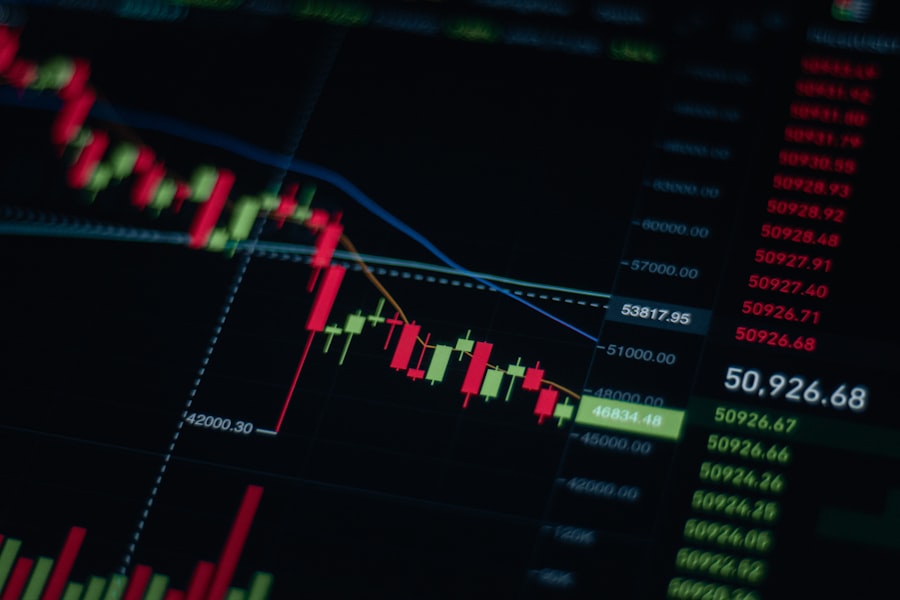
Flash crashes are sudden and severe market declines that can occur within a very short time frame, often driven by algorithmic trading or other rapid market movements. These events can have a profound impact on niche ETFs, which may experience extreme price fluctuations and heightened volatility during such episodes. The unique characteristics of niche ETFs make them particularly vulnerable to flash crashes, as their lower trading volumes can lead to exaggerated price movements when market sentiment shifts abruptly.
During a flash crash, the lack of liquidity can result in significant price dislocations for niche ETFs. For instance, if a sudden wave of selling occurs, there may not be enough buyers willing to step in at prevailing prices, leading to a rapid decline in the ETF's value. This phenomenon can create a feedback loop where falling prices trigger further selling, exacerbating the situation.
Investors may find themselves unable to exit their positions without incurring substantial losses, raising concerns about the overall stability of these investment vehicles.
To illustrate the impact of flash crashes on niche ETFs, one notable example is the May 6, 2010 flash crash, which saw the Dow Jones Industrial Average plummet nearly 1,000 points in mere minutes. During this event, various ETFs experienced extreme volatility, including those focused on specific sectors such as technology and financials. For instance, the ProShares UltraShort Financials ETF (SKF), which aims to provide double the inverse performance of financial stocks, saw its price swing dramatically as traders rushed to liquidate positions amid panic.
Another case occurred on August 24, 2015, when global markets experienced turmoil following concerns about China's economic slowdown. Niche ETFs that focused on emerging markets or specific sectors faced significant challenges during this period. The iShares MSCI All Country Asia ex Japan ETF (AAXJ), which targets Asian equities outside Japan, saw its price drop sharply as investors fled riskier assets.
The lack of liquidity in these niche funds meant that even small sell orders could lead to substantial price declines.
Investors looking to mitigate liquidity risks associated with niche ETFs can employ several strategies to enhance their trading experience and protect their capital. This includes analyzing the fund's trading volume, bid-ask spreads, and the liquidity of its underlying assets.
By selecting funds with higher average daily trading volumes and narrower spreads, investors can reduce their exposure to liquidity-related issues. Another strategy involves using limit orders instead of market orders when buying or selling shares of niche ETFs. A limit order allows investors to specify the price at which they are willing to buy or sell an ETF, providing greater control over execution prices and helping to avoid unfavorable trades during periods of high volatility.
Additionally, investors should consider diversifying their portfolios across multiple niche ETFs rather than concentrating their investments in a single fund. This diversification can help spread risk and reduce the impact of liquidity issues associated with any one particular ETF.
Regulatory bodies play a crucial role in overseeing the functioning of financial markets and ensuring investor protection. In response to concerns about liquidity risks in niche ETFs and other investment vehicles, regulators have implemented various measures aimed at enhancing market stability and transparency.
These mechanisms are designed to prevent panic selling and allow market participants time to assess information before making trading decisions. Furthermore, regulators have encouraged greater transparency regarding the liquidity profiles of ETFs. For instance, the Securities and Exchange Commission (SEC) has mandated that fund managers disclose information about their funds' liquidity risks and how they plan to manage them.
This increased transparency allows investors to make more informed decisions when selecting niche ETFs and helps them understand the potential risks associated with their investments.
When considering investments in niche ETFs, investors must weigh the potential rewards against the inherent liquidity risks associated with these specialized funds. One critical factor is an investor's time horizon; those with a longer investment horizon may be better positioned to weather short-term volatility and illiquidity issues than those seeking quick gains. Understanding one's risk tolerance is essential; investors should assess how much volatility they are willing to accept and whether they can endure potential losses during periods of market stress.
Additionally, investors should remain vigilant about market conditions that could impact liquidity in niche ETFs. Economic indicators, geopolitical events, and changes in monetary policy can all influence market sentiment and trading volumes. Staying informed about these factors can help investors make timely decisions regarding their positions in niche ETFs.
Moreover, engaging with financial advisors who possess expertise in niche markets can provide valuable insights and guidance tailored to individual investment goals.
Navigating the complexities of niche ETFs requires a nuanced understanding of both their potential benefits and associated risks. While these specialized funds offer unique opportunities for targeted exposure to specific sectors or themes, investors must remain cognizant of liquidity risks that can arise during periods of market turbulence. By employing prudent strategies for managing these risks and staying informed about regulatory developments and market conditions, investors can position themselves for success in this dynamic investment landscape.
In the context of understanding liquidity risks in niche ETFs, particularly during events like flash crashes, it is essential to explore various strategies for managing investments effectively. A related article that delves into this topic is "Navigating Market Volatility: Strategies for Managing Your Investments," which provides valuable insights on how to handle market fluctuations and protect your portfolio. You can read the article [here](https://learn.theinstituteoftrading.com/navigating-market-volatility-strategies-for-managing-your-investments/).
Learn more about the 1-Hour Millionaire System
Niche ETFs attract investors primarily through the possibility of enhanced returns, which results from their focused investment approach within particular market segments. For example, an investor interested in renewable energy could select a niche ETF that concentrates exclusively on solar and wind energy companies. Despite the potential for substantial gains, niche ETFs present distinct disadvantages, most notably liquidity concerns.
Investors considering niche ETFs must carefully evaluate these risks to make informed investment decisions.
Key Takeaways
- Niche ETFs focus on specialized market segments but often face significant liquidity risks.
- Flash crashes can severely impact niche ETFs due to their limited trading volumes and market depth.
- Case studies highlight how sudden price drops in niche ETFs can lead to substantial investor losses.
- Effective strategies and regulatory measures are essential to mitigate liquidity risks in niche ETFs.
- Investors should carefully assess liquidity factors and market conditions before investing in niche ETFs.
Understanding Liquidity Risks in Niche ETFs
Liquidity risk refers to the potential difficulty an investor may face when attempting to buy or sell an asset without causing a significant impact on its price. In the context of niche ETFs, liquidity risks can be particularly pronounced due to their specialized nature. Unlike broad-market ETFs that track major indices and typically enjoy high trading volumes, niche ETFs often have lower trading activity.
This can lead to wider bid-ask spreads and increased volatility, making it more challenging for investors to execute trades at desired prices. Several factors contribute to the liquidity risks associated with niche ETFs. First, the underlying assets within these funds may themselves be illiquid.
For example, an ETF focused on small-cap biotechnology firms may hold stocks that are not frequently traded on major exchanges. As a result, when investors attempt to buy or sell shares of the ETF, they may find it difficult to do so without significantly affecting the price. Additionally, market conditions can exacerbate these risks; during periods of heightened volatility or economic uncertainty, even well-established niche ETFs may experience sharp declines in liquidity. You can easily estimate your future earnings using the wealth calculator.
The Impact of Flash Crashes on Niche ETFs

Flash crashes are sudden and severe market declines that can occur within a very short time frame, often driven by algorithmic trading or other rapid market movements. These events can have a profound impact on niche ETFs, which may experience extreme price fluctuations and heightened volatility during such episodes. The unique characteristics of niche ETFs make them particularly vulnerable to flash crashes, as their lower trading volumes can lead to exaggerated price movements when market sentiment shifts abruptly.
During a flash crash, the lack of liquidity can result in significant price dislocations for niche ETFs. For instance, if a sudden wave of selling occurs, there may not be enough buyers willing to step in at prevailing prices, leading to a rapid decline in the ETF's value. This phenomenon can create a feedback loop where falling prices trigger further selling, exacerbating the situation.
Investors may find themselves unable to exit their positions without incurring substantial losses, raising concerns about the overall stability of these investment vehicles.
Case Studies of Flash Crashes in Niche ETFs
To illustrate the impact of flash crashes on niche ETFs, one notable example is the May 6, 2010 flash crash, which saw the Dow Jones Industrial Average plummet nearly 1,000 points in mere minutes. During this event, various ETFs experienced extreme volatility, including those focused on specific sectors such as technology and financials. For instance, the ProShares UltraShort Financials ETF (SKF), which aims to provide double the inverse performance of financial stocks, saw its price swing dramatically as traders rushed to liquidate positions amid panic.
Another case occurred on August 24, 2015, when global markets experienced turmoil following concerns about China's economic slowdown. Niche ETFs that focused on emerging markets or specific sectors faced significant challenges during this period. The iShares MSCI All Country Asia ex Japan ETF (AAXJ), which targets Asian equities outside Japan, saw its price drop sharply as investors fled riskier assets.
The lack of liquidity in these niche funds meant that even small sell orders could lead to substantial price declines.
Strategies for Managing Liquidity Risks in Niche ETFs
| Metric | Description | Impact During Flash Crash | Example Value |
|---|---|---|---|
| Bid-Ask Spread | Difference between the highest bid and lowest ask price | Widens significantly, indicating lower liquidity | From 0.05% to 2.5% |
| Trading Volume | Number of ETF shares traded in a given period | May spike initially but can dry up quickly | From 10,000 shares to 50,000 shares (initial spike) |
| Underlying Asset Liquidity | Ease of trading the ETF's underlying securities | Often low in niche ETFs, exacerbating price dislocations | Low daily volume, e.g., 5,000 shares |
| Price Deviation | Difference between ETF market price and NAV (Net Asset Value) | Can deviate by several percentage points | Up to 10% discount or premium |
| Redemption Activity | Number of shares redeemed by authorized participants | Increases as participants try to arbitrage price differences | Redemptions increase by 200% |
| Recovery Time | Time taken for ETF prices to stabilize post-flash crash | Can range from minutes to several hours | 30 minutes to 3 hours |
Investors looking to mitigate liquidity risks associated with niche ETFs can employ several strategies to enhance their trading experience and protect their capital. This includes analyzing the fund's trading volume, bid-ask spreads, and the liquidity of its underlying assets.
By selecting funds with higher average daily trading volumes and narrower spreads, investors can reduce their exposure to liquidity-related issues. Another strategy involves using limit orders instead of market orders when buying or selling shares of niche ETFs. A limit order allows investors to specify the price at which they are willing to buy or sell an ETF, providing greater control over execution prices and helping to avoid unfavorable trades during periods of high volatility.
Additionally, investors should consider diversifying their portfolios across multiple niche ETFs rather than concentrating their investments in a single fund. This diversification can help spread risk and reduce the impact of liquidity issues associated with any one particular ETF.
Regulatory Measures to Address Liquidity Risks in Niche ETFs
Regulatory bodies play a crucial role in overseeing the functioning of financial markets and ensuring investor protection. In response to concerns about liquidity risks in niche ETFs and other investment vehicles, regulators have implemented various measures aimed at enhancing market stability and transparency.
These mechanisms are designed to prevent panic selling and allow market participants time to assess information before making trading decisions. Furthermore, regulators have encouraged greater transparency regarding the liquidity profiles of ETFs. For instance, the Securities and Exchange Commission (SEC) has mandated that fund managers disclose information about their funds' liquidity risks and how they plan to manage them.
This increased transparency allows investors to make more informed decisions when selecting niche ETFs and helps them understand the potential risks associated with their investments.
Investor Considerations for Niche ETFs in Light of Liquidity Risks
When considering investments in niche ETFs, investors must weigh the potential rewards against the inherent liquidity risks associated with these specialized funds. One critical factor is an investor's time horizon; those with a longer investment horizon may be better positioned to weather short-term volatility and illiquidity issues than those seeking quick gains. Understanding one's risk tolerance is essential; investors should assess how much volatility they are willing to accept and whether they can endure potential losses during periods of market stress.
Additionally, investors should remain vigilant about market conditions that could impact liquidity in niche ETFs. Economic indicators, geopolitical events, and changes in monetary policy can all influence market sentiment and trading volumes. Staying informed about these factors can help investors make timely decisions regarding their positions in niche ETFs.
Moreover, engaging with financial advisors who possess expertise in niche markets can provide valuable insights and guidance tailored to individual investment goals.
Navigating Liquidity Risks in Niche ETFs
Navigating the complexities of niche ETFs requires a nuanced understanding of both their potential benefits and associated risks. While these specialized funds offer unique opportunities for targeted exposure to specific sectors or themes, investors must remain cognizant of liquidity risks that can arise during periods of market turbulence. By employing prudent strategies for managing these risks and staying informed about regulatory developments and market conditions, investors can position themselves for success in this dynamic investment landscape.
In the context of understanding liquidity risks in niche ETFs, particularly during events like flash crashes, it is essential to explore various strategies for managing investments effectively. A related article that delves into this topic is "Navigating Market Volatility: Strategies for Managing Your Investments," which provides valuable insights on how to handle market fluctuations and protect your portfolio. You can read the article [here](https://learn.theinstituteoftrading.com/navigating-market-volatility-strategies-for-managing-your-investments/).
Learn more about the 1-Hour Millionaire System