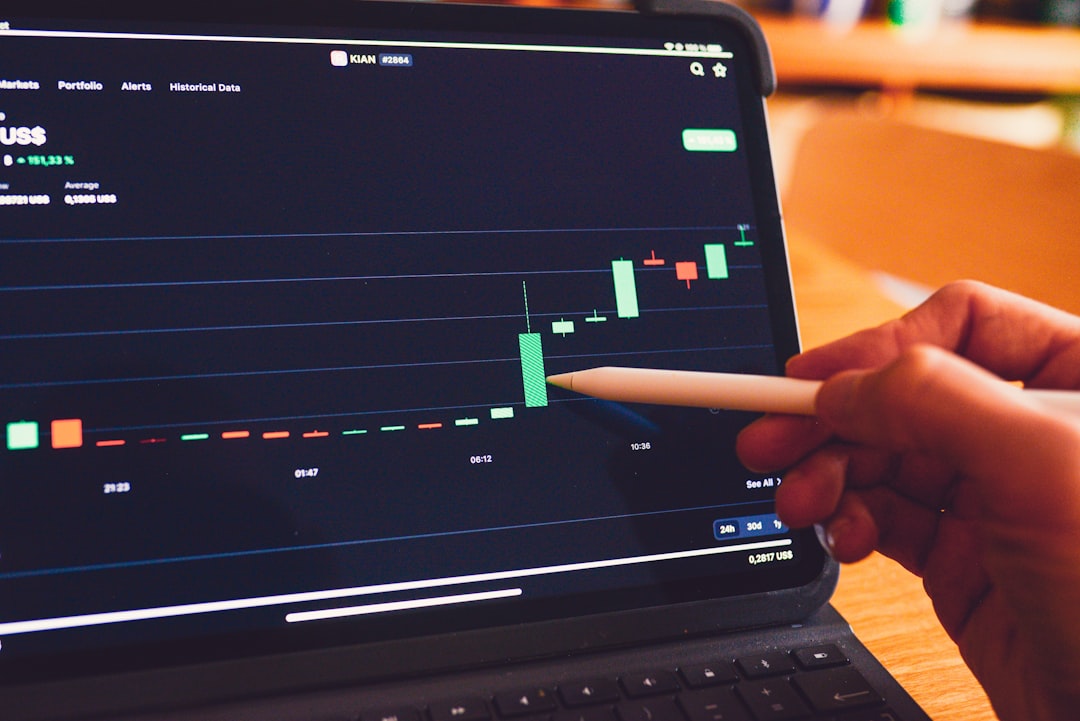

The portfolio scaling strategy is a sophisticated investment approach that focuses on gradually increasing the size of an investment portfolio in a controlled manner. This strategy is particularly beneficial for investors who wish to manage risk while capitalizing on growth opportunities. At its core, portfolio scaling involves the systematic addition of assets to an existing portfolio, allowing investors to take advantage of market fluctuations without overexposing themselves to potential losses. By scaling their investments, individuals can optimize their returns while maintaining a balanced risk profile.
One of the key principles behind portfolio scaling is the concept of incremental investment. Rather than committing a large sum of money to a single asset or investment at once, investors can choose to allocate smaller amounts over time. This method not only helps in mitigating the impact of market volatility but also allows for a more thorough analysis of market conditions and asset performance. For instance, an investor might decide to invest in a particular stock gradually, purchasing shares at different price points. This approach can lead to a more favorable average cost per share, ultimately enhancing the overall return on investment.
For those interested in understanding the nuances of portfolio management and investment strategies, a related article that delves into the intricacies of broker selection can be found at this link. This resource provides valuable insights into how choosing the right broker can significantly impact your investment journey, complementing the concepts discussed in "From €100k to €1M: The Portfolio Scaling Strategy Shift."
Key Takeaways
- Portfolio scaling involves gradually increasing investment size to optimize growth while managing risk.
- Balancing risk and reward is crucial for sustainable portfolio expansion.
- Diversification helps protect against market volatility and enhances long-term returns.
- Utilizing technology and data analysis can improve decision-making and identify promising investments.
- Regular monitoring and adaptability ensure the portfolio remains aligned with changing market conditions.
Assessing the Risk and Reward
When implementing a portfolio scaling strategy, it is crucial to conduct a thorough assessment of both risk and reward. Understanding the potential risks associated with various investments is essential for making informed decisions. Each asset class carries its own set of risks, including market risk, credit risk, and liquidity risk. For example, equities may offer higher potential returns but are also subject to significant price fluctuations. Conversely, fixed-income securities tend to be more stable but may provide lower returns. By evaluating these factors, investors can better align their scaling strategy with their risk tolerance and investment goals.
In addition to assessing risks, it is equally important to evaluate the potential rewards of each investment opportunity. This involves analyzing historical performance data, market trends, and economic indicators that could influence future returns. For instance, an investor might look at the earnings growth of a company, its competitive position within the industry, and macroeconomic factors such as interest rates and inflation. By weighing the potential rewards against the associated risks, investors can make more strategic decisions about how to scale their portfolios effectively.
Diversifying Your Investments

Diversification is a fundamental principle in investment strategy that plays a critical role in portfolio scaling. By spreading investments across various asset classes, sectors, and geographic regions, investors can reduce the overall risk of their portfolios. This approach minimizes the impact of poor performance in any single investment on the overall portfolio. For example, if an investor holds stocks in technology, healthcare, and consumer goods sectors, a downturn in one sector may be offset by stability or growth in another.
Moreover, diversification can enhance the potential for returns by exposing investors to different growth opportunities. For instance, while U.S. equities may be experiencing volatility, emerging markets might present lucrative investment prospects due to rapid economic growth. By incorporating a mix of domestic and international assets into their portfolios, investors can capitalize on diverse market conditions and trends. This strategic allocation not only helps in managing risk but also positions investors to benefit from various economic cycles.
Identifying High-Potential Opportunities

Identifying high-potential investment opportunities is a critical component of a successful portfolio scaling strategy. Investors must remain vigilant and proactive in seeking out assets that exhibit strong growth potential. This often involves conducting thorough research and analysis to uncover undervalued stocks or emerging industries poised for expansion. For instance, sectors such as renewable energy and technology have garnered significant attention due to their transformative potential and alignment with global trends toward sustainability and digitalization.
Investors can utilize various tools and methodologies to identify these opportunities effectively. Fundamental analysis, which examines a company's financial health, competitive advantages, and market position, can provide valuable insights into potential investments.
Additionally, technical analysis—focused on price movements and trading volumes—can help investors identify entry and exit points for scaling their positions.By combining these analytical approaches with an understanding of broader market trends, investors can make informed decisions about which assets to include in their portfolios.
In exploring effective investment strategies, the article "From €100k to €1M: The Portfolio Scaling Strategy Shift" highlights the importance of adapting one's approach as capital grows. For those looking to refine their investment planning, it's crucial to be aware of common pitfalls that can hinder success. A related article discusses these challenges and offers insights on how to avoid them, ensuring that investors do not fall victim to costly mistakes. You can read more about this in the article on investment planning mistakes here.
Leveraging Technology and Data Analysis
| Metric | From 100k to 500k | From 500k to 1M | Strategy Shift |
|---|---|---|---|
| Average Annual Return | 12% | 9% | Focus on stable, diversified assets |
| Risk Tolerance | Moderate to High | Moderate | Shift from aggressive growth to capital preservation |
| Asset Allocation | 70% equities, 20% bonds, 10% alternatives | 50% equities, 40% bonds, 10% alternatives | Increase bond allocation for stability |
| Number of Holdings | 15-25 | 30-50 | Diversify to reduce idiosyncratic risk |
| Rebalancing Frequency | Quarterly | Semi-Annually | Reduce transaction costs and tax impact |
| Leverage Usage | Low to Moderate | Minimal | Reduce leverage to protect capital |
| Cash Reserve | 5% | 10% | Increase liquidity for opportunities and safety |
In today's fast-paced financial landscape, leveraging technology and data analysis has become indispensable for effective portfolio scaling. Advanced analytical tools and platforms enable investors to process vast amounts of data quickly and efficiently, providing insights that were previously difficult to obtain. For example, algorithmic trading systems can analyze market conditions in real-time and execute trades based on predefined criteria, allowing investors to capitalize on fleeting opportunities.
Furthermore, data analytics can enhance decision-making by providing deeper insights into market trends and investor behavior. Machine learning algorithms can identify patterns in historical data that may indicate future performance trends. By utilizing these technologies, investors can refine their scaling strategies and make more informed decisions about when and how much to invest in specific assets. The integration of technology not only streamlines the investment process but also empowers investors with the information needed to navigate complex market dynamics.
In exploring the journey from €100k to €1M through effective portfolio scaling strategies, it's essential to also consider the impact of investment fees on overall returns. A related article discusses how to evaluate and lower these costs, which can significantly influence your investment growth. By understanding the fees associated with your investments, you can make more informed decisions that align with your financial goals. For more insights, check out this informative piece on investment fees.
Staying Agile and Adaptable
You can easily estimate your future earnings using the wealth calculator.
The ability to stay agile and adaptable is paramount in the realm of portfolio scaling. Financial markets are inherently unpredictable, influenced by a myriad of factors ranging from geopolitical events to economic shifts. As such, investors must be prepared to adjust their strategies in response to changing market conditions. This flexibility allows them to seize new opportunities or mitigate risks as they arise.
For instance, if an investor notices a significant downturn in a particular sector they are heavily invested in, they may choose to scale back their exposure or reallocate funds to more promising areas. Conversely, if emerging technologies begin to disrupt traditional industries, an investor might pivot their focus toward those innovations. By maintaining an adaptable mindset and regularly reviewing their portfolios, investors can ensure that their strategies remain aligned with current market realities.
Seeking Expert Advice and Mentorship
Navigating the complexities of portfolio scaling can be daunting, which is why seeking expert advice and mentorship is invaluable for many investors. Financial advisors and investment professionals possess extensive knowledge and experience that can guide individuals through the intricacies of investment strategies. They can provide personalized insights based on an investor's unique financial situation, goals, and risk tolerance.
Mentorship also plays a crucial role in developing investment acumen. Learning from seasoned investors who have successfully scaled their portfolios can offer practical lessons that go beyond theoretical knowledge. Engaging with mentors allows individuals to gain insights into decision-making processes, risk management techniques, and effective scaling strategies that have proven successful in real-world scenarios. This guidance can be instrumental in helping investors refine their approaches and avoid common pitfalls.
Monitoring and Adjusting Your Portfolio
Continuous monitoring and adjustment of one's portfolio are essential components of effective portfolio scaling. The financial landscape is dynamic; therefore, regular assessments are necessary to ensure that investments remain aligned with overall objectives. Investors should establish a routine for reviewing their portfolios—this could involve quarterly evaluations or more frequent assessments during periods of heightened market activity.
During these reviews, investors should analyze performance metrics such as return on investment (ROI), asset allocation percentages, and overall portfolio diversification. If certain assets underperform or if market conditions shift significantly, adjustments may be warranted. For example, if a particular stock consistently fails to meet performance expectations or if economic indicators suggest a downturn in its sector, it may be prudent to divest or reduce exposure to that asset. By actively monitoring their portfolios and making informed adjustments as needed, investors can enhance their chances of achieving long-term financial success through effective scaling strategies.
Learn more about the 1-Hour Millionaire System