

In 2021, Advanced Micro Devices (AMD) experienced a remarkable surge in its stock price, capturing the attention of investors worldwide. The company's stock rose significantly, climbing from around $90 at the beginning of the year to over $160 by mid-2021. This impressive growth was fueled by a combination of strong product launches, increased demand for semiconductors, and a growing market share in the competitive tech landscape.
AMD's success can be attributed to its innovative approach to technology. The company has consistently released high-performance processors and graphics cards that cater to both gamers and professionals. For instance, the launch of the Ryzen 5000 series processors in late 2020 set a new standard for performance, leading to increased sales and a positive reception from consumers and critics alike.
This momentum carried into 2021, solidifying AMD's position as a key player in the semiconductor industry. Learn My 1-Hour Investment System and start your journey to financial success.
Key Takeaways
- AMD stock has seen a significant rise in 2021, driven by the company's success in the semiconductor industry.
- Factors such as strong demand for its products, new product launches, and market share gains have contributed to AMD's stock reaching record highs.
- AMD faces competition from industry giants like Intel and Nvidia, but its innovative products and strategic partnerships have helped it maintain its position in the market.
- Analysts predict continued growth for AMD stock in 2021, citing its strong financial performance and growth prospects.
- Despite the impact of COVID-19 on the global economy, AMD has managed to perform well, thanks to its strategic partnerships and acquisitions. However, the company still faces risks and challenges in maintaining its stock surge, including supply chain disruptions and potential market saturation.
Factors Driving AMD Stock to Record Highs
Several factors contributed to AMD's stock reaching record highs in 2021. One of the most significant was the growing demand for computing power across various sectors, including gaming, data centers, and artificial intelligence.
Additionally, AMD's strategic focus on high-performance computing helped it capture a larger share of the market. The company’s partnership with major tech firms, such as Microsoft and Sony, allowed it to supply processors for popular gaming consoles like the Xbox Series X and PlayStation 5. This not only boosted sales but also enhanced AMD's reputation as a leader in the gaming industry.
AMD's Competition in the Semiconductor Industry

While AMD enjoyed significant success in 2021, it faced stiff competition from established players like Intel and NVIDIIntel, with its long-standing dominance in the CPU market, posed a challenge as it worked to regain its footing after losing market share to AMD. The rivalry intensified as both companies raced to develop faster and more efficient processors. NVIDIA also emerged as a formidable competitor, particularly in the graphics card market.
With its cutting-edge GPUs, NVIDIA captured the attention of gamers and professionals alike. However, AMD responded with its Radeon RX 6000 series graphics cards, which offered competitive performance at attractive price points. This ongoing competition kept investors on their toes, as they closely monitored how AMD would navigate these challenges.
Analysts' Predictions for AMD Stock in 2021
| Date | Analyst | Prediction |
|---|---|---|
| Jan 15, 2021 | Bank of America | Buy rating with a target price of 110 |
| Feb 10, 2021 | Goldman Sachs | Neutral rating with a target price of 95 |
| Mar 5, 2021 | Morgan Stanley | Overweight rating with a target price of 120 |
| Apr 20, 2021 | Credit Suisse | Outperform rating with a target price of 125 |
As AMD's stock soared, analysts began to weigh in on its future prospects. Many experts were optimistic about the company's growth trajectory, citing its innovative product lineup and expanding market presence. For instance, some analysts predicted that AMD could reach a price target of $200 per share by the end of 2021, driven by strong sales and continued demand for its products.
However, not all analysts were entirely bullish. Some expressed concerns about potential supply chain issues and competition from rivals like Intel and NVIDIThey cautioned that while AMD was performing well, it needed to maintain its momentum and address any challenges that could impact its growth. This mixed outlook created a sense of uncertainty among investors, prompting them to carefully consider their investment strategies.
AMD's Financial Performance and Growth Prospects
AMD's financial performance in 2021 was nothing short of impressive. The company reported record revenues, with Q2 earnings reaching $3.85 billion, a staggering 99% increase compared to the same period in 2020. This growth was driven by strong sales across its computing and graphics segments, which accounted for a significant portion of its revenue.
Looking ahead, AMD's growth prospects appeared promising. The company was well-positioned to benefit from trends such as remote work and increased digitalization across industries. Analysts projected that AMD could continue to grow its revenue at a compound annual growth rate (CAGR) of around 20% over the next few years.
This potential for sustained growth made AMD an attractive option for investors seeking long-term opportunities.
The Impact of COVID-19 on AMD's Stock Performance
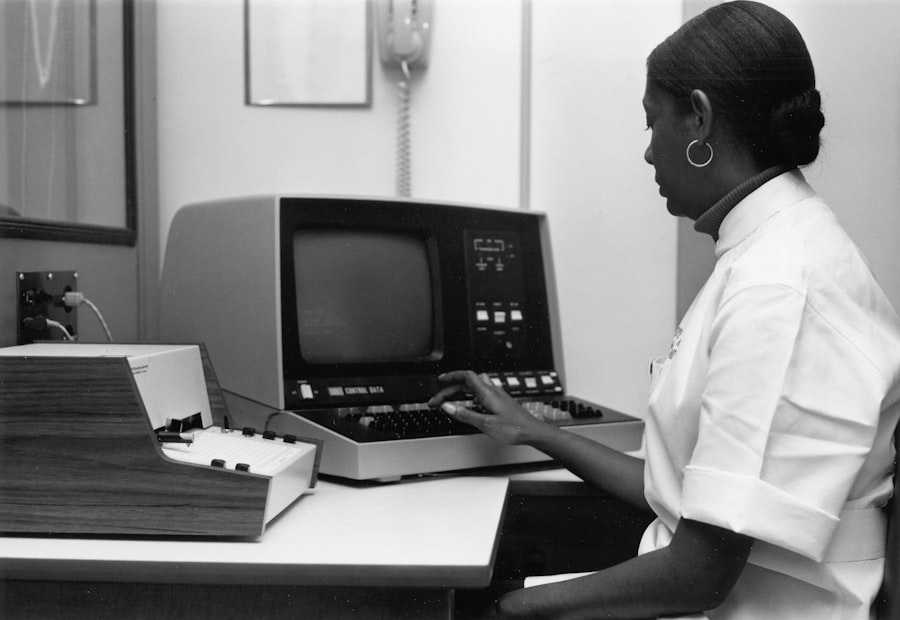
The COVID-19 pandemic had a profound impact on many companies, and AMD was no exception. As people adapted to remote work and online learning, demand for personal computers surged. This shift created a favorable environment for AMD, as consumers sought out high-performance devices to meet their needs.
However, the pandemic also brought challenges, particularly related to supply chain disruptions. Global semiconductor shortages affected many manufacturers, including AMD.
This delicate balance influenced AMD's stock performance throughout 2021.
AMD's Strategic Partnerships and Acquisitions
Strategic partnerships and acquisitions played a crucial role in AMD's success during 2021. Collaborations with major tech companies allowed AMD to expand its reach and enhance its product offerings. For example, partnerships with cloud service providers enabled AMD to supply processors for data centers, tapping into a lucrative market that was experiencing rapid growth.
In addition to partnerships, AMD made strategic acquisitions to bolster its capabilities. The acquisition of Xilinx for $35 billion was a significant move that aimed to enhance AMD's portfolio in high-performance computing and adaptive computing solutions. This acquisition positioned AMD to compete more effectively against rivals and broaden its product range, further solidifying its place in the semiconductor industry.
Risks and Challenges Facing AMD in Maintaining its Stock Surge
Despite its impressive performance in 2021, AMD faced several risks and challenges that could impact its ability to maintain its stock surge. One major concern was the ongoing competition from Intel and NVIDIAs these companies continued to innovate and release new products, AMD needed to stay ahead of the curve to retain its market share. Additionally, supply chain issues remained a significant challenge for the semiconductor industry as a whole.
Any disruptions could hinder AMD's ability to meet demand and fulfill orders, potentially affecting revenue growth. Investors were keenly aware of these risks as they evaluated their positions in AMD stock. In conclusion, while AMD experienced remarkable success in 2021 with soaring stock prices and strong financial performance, it also faced challenges that required careful navigation.
For busy parents and professionals considering investing in tech stocks like AMD, understanding these dynamics is crucial for making informed decisions about their portfolios. By keeping an eye on market trends and company developments, investors can better position themselves for potential opportunities in this ever-evolving industry.
Book Free Strategy Call