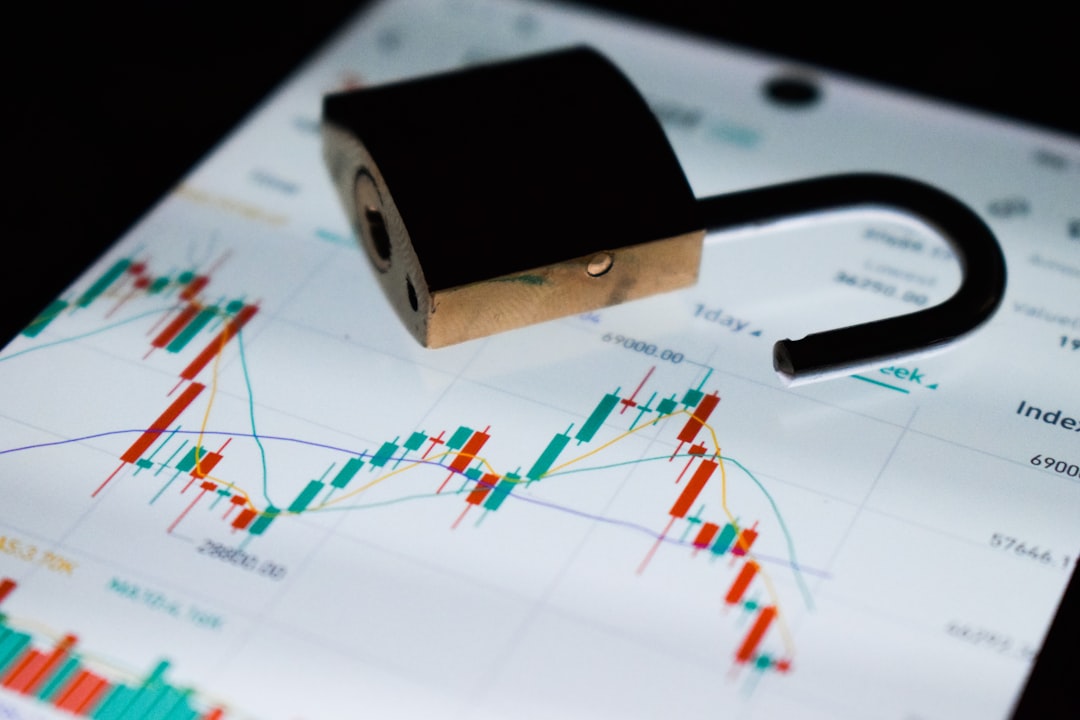

In the world of investing, having a clear understanding of your portfolio's performance is crucial. Investment tracking systems serve as essential tools that allow you to monitor your investments, assess their performance, and make informed decisions. These systems can range from simple spreadsheets to sophisticated software applications that provide real-time data and analytics.
By utilizing an investment tracking system, you can gain insights into how your assets are performing, identify trends, and adjust your strategy accordingly. Investment tracking systems not only help you keep tabs on your current holdings but also allow you to evaluate the overall health of your investment strategy. They can provide you with a comprehensive view of your portfolio, including asset allocation, diversification, and risk exposure.
This holistic perspective is particularly valuable for busy professionals who may not have the time to analyze each investment individually. By leveraging these systems, you can ensure that your investments align with your financial goals and risk tolerance. For comprehensive financial education, visit The Institute of Trading and Investing.
Key Takeaways
- Investment tracking systems help monitor and analyze your portfolio effectively.
- Selecting a system that fits your personal investment goals and style is crucial.
- Customizing and setting up your tracking system enhances usability and relevance.
- Real-time tracking and performance analytics can maximize your investment returns.
- Automating and integrating tracking with other financial tools streamlines management.
Choosing the Right Investment Tracking System for You
Selecting the right investment tracking system is a critical step in managing your portfolio effectively. With numerous options available, it’s essential to consider your specific needs and preferences. Start by evaluating the features that matter most to you.
Do you prefer a user-friendly interface, or are you comfortable with more complex tools? Some systems offer basic tracking capabilities, while others provide advanced analytics and reporting features. Another important factor to consider is compatibility with your existing financial tools.
If you already use accounting software or budgeting apps, look for an investment tracking system that integrates seamlessly with these platforms. This integration can save you time and effort by allowing you to consolidate your financial data in one place. Additionally, consider whether you want a mobile app for on-the-go access or if a desktop version suffices for your needs.
By carefully assessing these factors, you can choose a system that enhances your investment management experience.
Setting Up and Customizing Your Investment Tracking System
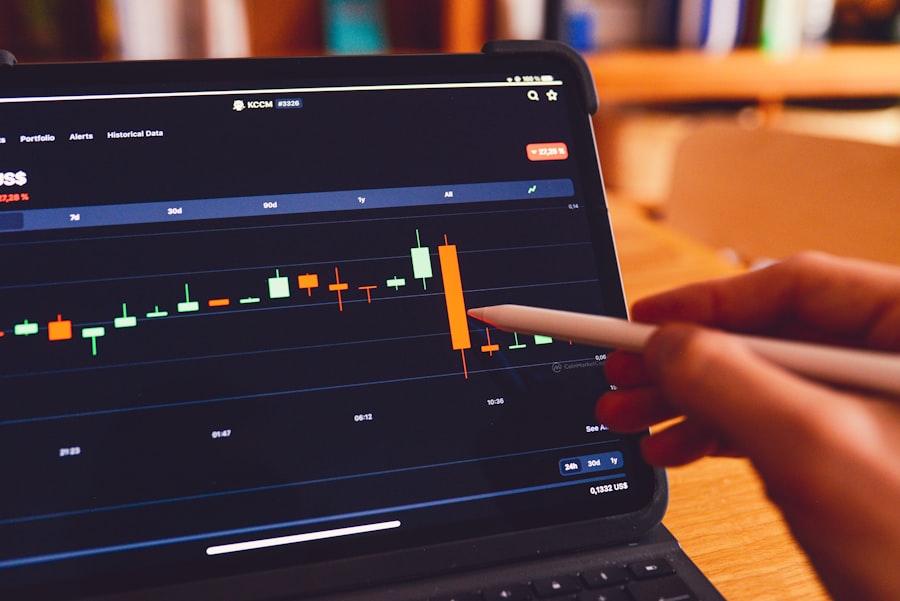
Once you've selected an investment tracking system, the next step is to set it up and customize it to suit your preferences. Begin by inputting your current investments, including stocks, bonds, mutual funds, and any other assets you hold. Most systems allow you to import data directly from brokerage accounts, which can streamline this process significantly.
Ensure that all relevant information is accurately entered, as this will form the foundation of your tracking efforts. Customization is key to making the most of your investment tracking system. Take the time to set up categories or tags that reflect your investment strategy.
For instance, you might want to categorize investments by asset class, risk level, or investment goal. This organization will make it easier for you to analyze your portfolio's performance over time. Additionally, consider setting up alerts or notifications for significant market movements or changes in your investments.
By tailoring the system to your unique needs, you can enhance its effectiveness and usability.
Maximizing Returns with Real-Time Tracking and Analysis
One of the primary advantages of using an investment tracking system is the ability to monitor your portfolio in real-time. This feature allows you to stay informed about market fluctuations and make timely decisions based on current data. For busy professionals, having access to real-time information can be a game-changer.
It enables you to react quickly to market changes and adjust your strategy as needed. To maximize returns, leverage the analytical tools provided by your investment tracking system. Many platforms offer performance metrics such as return on investment (ROI), volatility measures, and comparisons against benchmarks.
By regularly reviewing these metrics, you can identify underperforming assets and make informed decisions about whether to hold or sell them. Additionally, consider conducting periodic portfolio reviews to assess whether your investments align with your long-term financial goals. This proactive approach can help you optimize your returns over time.
Utilizing Performance Reports and Analytics
| Metric | Description | Typical Value / Range | Importance |
|---|---|---|---|
| Portfolio Performance | Overall return on investment portfolio over a specific period | 5% - 15% annually | High |
| Asset Allocation | Distribution of investments across asset classes (stocks, bonds, cash, etc.) | Stocks 40%-70%, Bonds 20%-40%, Cash 5%-15% | High |
| Transaction Volume | Number of buy/sell transactions recorded in the system | 10 - 1000+ per month | Medium |
| Data Update Frequency | How often investment data is refreshed or synced | Real-time to daily | High |
| System Uptime | Percentage of time the tracking system is operational | 99.5% - 99.99% | High |
| Security Compliance | Adherence to data protection and financial regulations | GDPR, SOC 2, ISO 27001 | Critical |
| User Access Levels | Number of distinct permission tiers for users | 3 - 7 levels | Medium |
| Reporting Capabilities | Number of customizable reports available | 10 - 50+ reports | High |
| Integration Options | Number of third-party services or APIs supported | 5 - 20+ integrations | Medium |
| Cost Efficiency | Cost per user or per portfolio managed | Varies widely by provider | Medium |
Performance reports are invaluable resources for understanding how your investments are performing over time. Most investment tracking systems generate detailed reports that provide insights into various aspects of your portfolio, including overall performance, asset allocation, and sector exposure. By regularly reviewing these reports, you can gain a deeper understanding of how different investments contribute to your overall financial picture.
Analytics tools within your investment tracking system can further enhance your decision-making process. For example, some systems offer scenario analysis features that allow you to simulate how changes in market conditions might impact your portfolio's performance. This capability can be particularly useful for busy professionals who want to assess potential risks and rewards without spending excessive time on manual calculations.
By utilizing performance reports and analytics effectively, you can make more informed investment decisions that align with your financial objectives.
Automating Your Investment Tracking Process

Automation is a powerful way to streamline your investment tracking process and save valuable time. Many modern investment tracking systems offer automation features that allow you to set up recurring transactions or automatic updates from your brokerage accounts. By automating these processes, you can ensure that your portfolio remains up-to-date without requiring constant manual input.
Consider setting up automated contributions to your investment accounts as well. For busy parents and entrepreneurs looking to build quiet wealth, establishing a systematic investment plan can be an effective strategy. By automating contributions on a monthly basis, you can take advantage of dollar-cost averaging while minimizing the time spent managing your investments.
This approach not only simplifies the process but also helps instill disciplined saving habits that contribute to long-term financial success.
Integrating Your Investment Tracking System with Other Financial Tools
To maximize the effectiveness of your investment tracking system, consider integrating it with other financial tools you use regularly. For instance, if you utilize budgeting software or personal finance apps, look for options that allow for seamless data sharing between platforms. This integration can provide a comprehensive view of your financial situation, enabling you to make more informed decisions about spending, saving, and investing.
Additionally, consider linking your investment tracking system with tax preparation software or accounting tools. This integration can simplify tax reporting by automatically pulling relevant investment data when it's time to file taxes. By consolidating your financial information across various platforms, you can save time and reduce the risk of errors in reporting.
Tips for Making the Most of Your Investment Tracking System
To truly harness the power of your investment tracking system, consider implementing a few best practices that can enhance its effectiveness. First and foremost, make it a habit to review your portfolio regularly—ideally on a monthly basis. This consistent engagement will help you stay informed about market trends and ensure that you're making decisions aligned with your financial goals.
Another tip is to set specific investment objectives and track progress toward those goals using your system's analytics features. Whether you're saving for a child's education or planning for retirement, having clear objectives will guide your investment strategy and keep you motivated along the way. Finally, don't hesitate to seek out educational resources or professional advice if you're unsure about certain aspects of investing or portfolio management.
Continuous learning is key to becoming a more confident investor. In conclusion, an effective investment tracking system can be a game-changer for busy professionals looking to build quiet wealth over time. By understanding how these systems work and implementing best practices for their use, you can take control of your financial future with confidence.
Book a free strategy call to see how this applies to YOUR situation.
Investment tracking systems are essential tools for investors looking to monitor their portfolios and make informed decisions. For those interested in understanding the broader context of investment strategies, the article on index funds provides valuable insights. You can read more about it in this related article, which serves as a beginner's blueprint for long-term investing success.
Ready to See Your Roadmap? Book Free Call →