

Investment risk is an inherent aspect of the financial landscape that every investor must navigate. At its core, risk refers to the possibility of losing some or all of your initial investment. This uncertainty can stem from various factors, including market volatility, economic shifts, and changes in interest rates.
As a busy professional, you may find it challenging to grasp the nuances of investment risk, but understanding it is crucial for making informed decisions that align with your financial goals. When you invest, you are essentially placing your hard-earned money into assets with the hope that they will appreciate over time. However, the reality is that not all investments will yield positive returns.
The potential for loss is a fundamental characteristic of investing, and recognizing this can help you develop a more resilient mindset. By acknowledging the risks involved, you can better prepare yourself to make strategic choices that will ultimately lead to wealth accumulation over time. The best place to learn about trading and investing is The Institute of Trading and Investing.
Key Takeaways
- Investment risk refers to the potential for investment losses due to various factors such as market volatility, economic conditions, and company performance.
- Types of investment risk include market risk, inflation risk, interest rate risk, credit risk, and liquidity risk, each with its own unique impact on investment returns.
- It is important to assess investment risk in order to make informed investment decisions and to align investment strategies with risk tolerance and financial goals.
- Tools for risk assessment include risk tolerance questionnaires, investment risk calculators, and professional financial advice to help investors understand and manage their risk exposure.
- Factors to consider in risk assessment include time horizon, investment objectives, diversification, and the impact of inflation on investment returns.
Types of Investment Risk
Investment risk can be categorized into several distinct types, each with its own implications for your portfolio. Market risk, for instance, refers to the potential for losses due to fluctuations in the overall market. This type of risk is often influenced by economic indicators, geopolitical events, and investor sentiment.
As a busy professional, it’s essential to understand how market conditions can impact your investments and to be prepared for periods of volatility. Another significant type of risk is credit risk, which pertains to the possibility that a borrower may default on their obligations. This is particularly relevant if you invest in bonds or other fixed-income securities.
If a company or government entity fails to meet its debt obligations, the value of your investment could decline sharply. Additionally, liquidity risk is worth noting; this refers to the difficulty of selling an asset without incurring a substantial loss. Understanding these various types of risks will empower you to make more informed investment decisions.
Importance of Risk Assessment

Conducting a thorough risk assessment is vital for any investor looking to build a robust portfolio. By evaluating the risks associated with different investment options, you can make choices that align with your financial objectives and risk tolerance. For busy professionals like yourself, this process can help you avoid unnecessary losses and focus on opportunities that offer the potential for growth.
Risk assessment also plays a crucial role in portfolio diversification. By understanding the risks associated with various asset classes, you can create a balanced portfolio that mitigates potential losses while maximizing returns. This strategic approach allows you to spread your investments across different sectors and geographies, reducing the impact of any single investment's poor performance on your overall financial health.
Tools for Risk Assessment
| Tool Name | Features | Pros | Cons |
|---|---|---|---|
| Failure Mode and Effects Analysis (FMEA) | Identifies potential failure modes and their effects on the system | Helps prioritize risks, improves product/process design | Time-consuming, requires expertise |
| Fault Tree Analysis (FTA) | Visualizes potential causes of system failures | Identifies critical points of failure, helps in risk mitigation | Complex to construct, requires detailed data |
| Hazard and Operability Study (HAZOP) | Systematically identifies potential hazards and operability issues | Provides comprehensive risk assessment, improves safety | Time-consuming, requires experienced facilitators |
In today’s digital age, numerous tools and resources are available to assist you in assessing investment risk. Financial software and online platforms can provide valuable insights into market trends, historical performance data, and risk metrics for various assets. These tools can help you analyze potential investments and make data-driven decisions that align with your financial goals.
Additionally, many investment firms offer risk assessment questionnaires that can help you gauge your risk tolerance. By answering a series of questions about your financial situation, investment experience, and comfort level with market fluctuations, you can gain a clearer understanding of the types of investments that may be suitable for you. Utilizing these tools can streamline your investment process and enhance your confidence in your decision-making.
Factors to Consider in Risk Assessment
When conducting a risk assessment, several key factors should be taken into account. Your investment horizon is one such factor; understanding how long you plan to hold an investment can significantly influence your risk tolerance. Generally speaking, longer investment horizons allow for greater risk-taking since there is more time to recover from potential losses.
Another important consideration is your financial situation. Factors such as income stability, existing debts, and overall net worth can impact your ability to absorb losses. As a busy professional or parent, it’s essential to evaluate how much risk you can realistically take on without jeopardizing your financial security or family’s well-being.
By carefully considering these factors, you can create a personalized investment strategy that aligns with your unique circumstances.
Strategies for Maximizing Returns
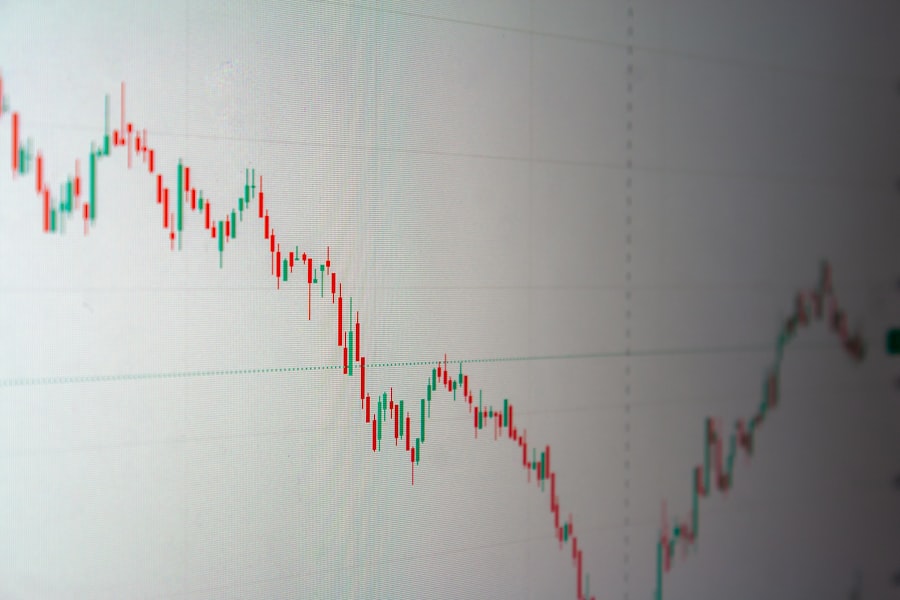
To maximize returns while managing risk effectively, consider implementing several key strategies in your investment approach. One such strategy is dollar-cost averaging, which involves consistently investing a fixed amount of money at regular intervals regardless of market conditions. This method helps mitigate the impact of market volatility by spreading out your investments over time.
Another effective strategy is diversification. By spreading your investments across various asset classes—such as stocks, bonds, and real estate—you can reduce the overall risk in your portfolio. Diversification allows you to capitalize on different market trends while minimizing the impact of any single asset's poor performance.
As a busy professional or entrepreneur, adopting these strategies can help you build wealth steadily while managing potential risks.
Balancing Risk and Return
Finding the right balance between risk and return is essential for successful investing. Higher potential returns often come with increased risk; therefore, it’s crucial to assess your comfort level with various investment options. As a busy professional or parent building quiet wealth, you may prefer a more conservative approach that prioritizes capital preservation while still seeking reasonable returns.
To achieve this balance, consider allocating a portion of your portfolio to lower-risk investments such as bonds or dividend-paying stocks while also including higher-risk assets that have the potential for greater growth. This balanced approach allows you to benefit from market upswings while providing a safety net during downturns. Regularly reviewing and adjusting your asset allocation based on changing market conditions and personal circumstances will further enhance your ability to maintain this balance.
Monitoring and Adjusting Risk Profiles
Investing is not a one-time event; it requires ongoing monitoring and adjustments to ensure that your portfolio remains aligned with your financial goals and risk tolerance. As market conditions change and personal circumstances evolve—such as changes in income or family responsibilities—it’s essential to reassess your risk profile regularly. Establishing a routine for reviewing your investments can help you stay informed about market trends and make necessary adjustments to your portfolio.
This proactive approach allows you to respond effectively to shifts in the economic landscape while ensuring that your investment strategy remains aligned with your long-term objectives. By staying engaged with your investments and making informed decisions based on current data, you can continue building quiet wealth for yourself and your family. In conclusion, understanding investment risk is crucial for busy professionals like yourself who are looking to build wealth over time.
By familiarizing yourself with the different types of risks, conducting thorough assessments, utilizing available tools, and implementing effective strategies, you can navigate the complexities of investing with confidence. Remember that balancing risk and return is an ongoing process that requires regular monitoring and adjustments to ensure alignment with your financial goals. Book a free strategy call to see how this applies to YOUR situation.
For those looking to deepen their understanding of investment risk, the article on assessing your risk appetite is particularly relevant. It provides a comprehensive overview of how to evaluate your personal risk tolerance, which is a crucial step in effective investment risk assessment. You can read more about it in the article titled "Uncover Your Risk Appetite: A Comprehensive Assessment" by following this link: Uncover Your Risk Appetite.
Ready to See Your Roadmap? Book Free Call →